

If you’re a parent of a young athlete, you’ve probably felt that little wave of relief when your child tells you, “We lifted today at school.”It sounds productive. It sounds structured. It sounds like progress.
But here’s the part most parents never get told:
School weight rooms teach kids how to “work out.”They don’t teach kids how to move.
And those two things are not the same.
In fact, the gap between them is often the reason kids get stuck, get frustrated, or get hurt.
School sports and weight rooms are built with good intentions. Coaches want kids to get stronger, build discipline, and learn the basics of training. Those are all positives.
But the school environment has limitations:
So while kids may be “lifting,” they’re not necessarily developing the qualities that make them better athletes.
Strength without mechanics is like horsepower without steering.
It looks impressive until it doesn’t.
To be fair, schools do a few things consistently:
Those are valuable. They just aren’t enough.
Because athletic development is not about how much weight a kid can move — it’s about how well they move their own body.
This is where the gap becomes obvious.
Most kids aren’t being taught:
These are the skills that reduce injuries.These are the skills that make kids faster.These are the skills that translate to every sport.
And these skills require coaching — not just equipment.
Outside training fills the gaps schools simply can’t address.
A well-designed youth program focuses on:
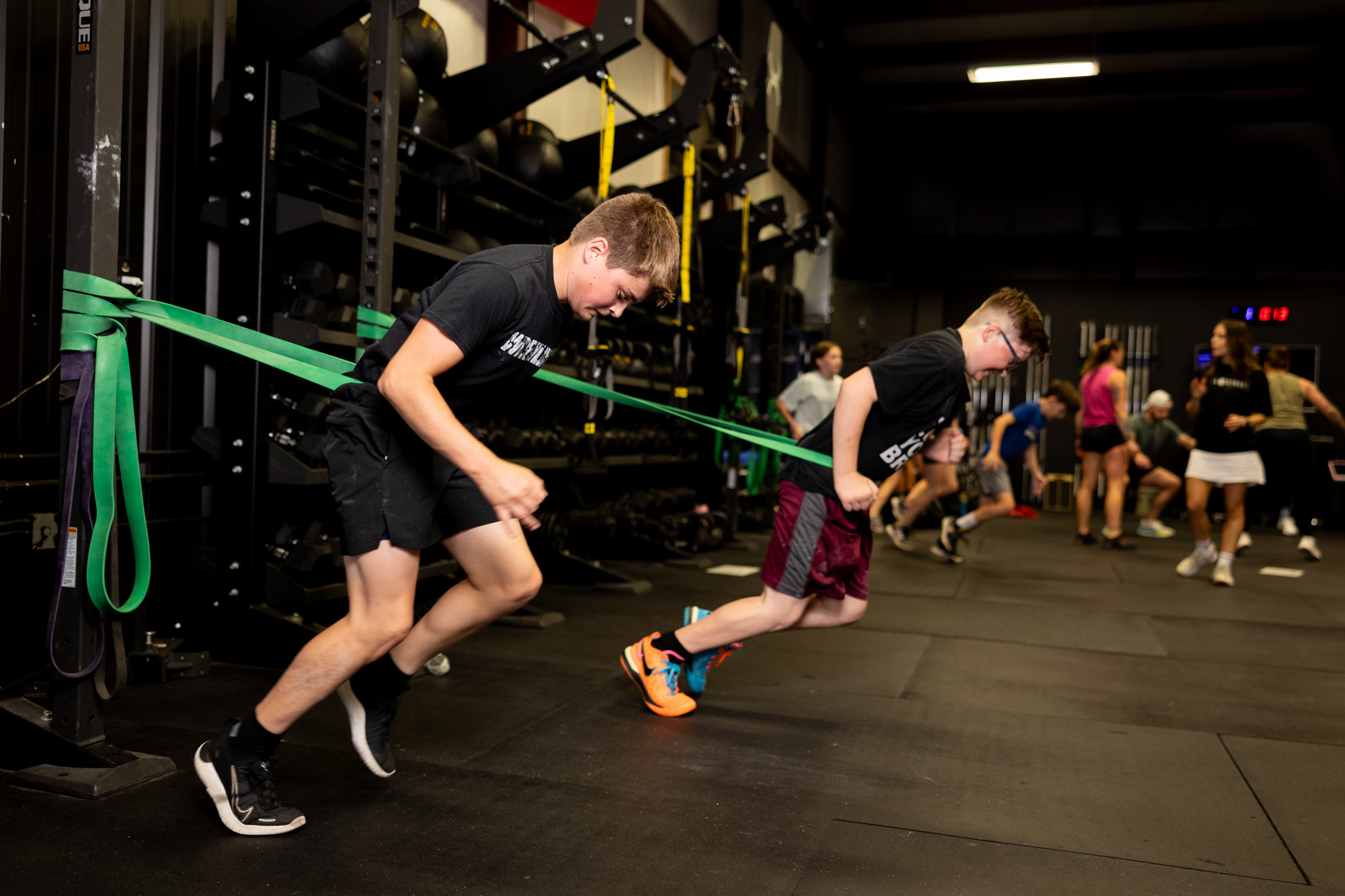
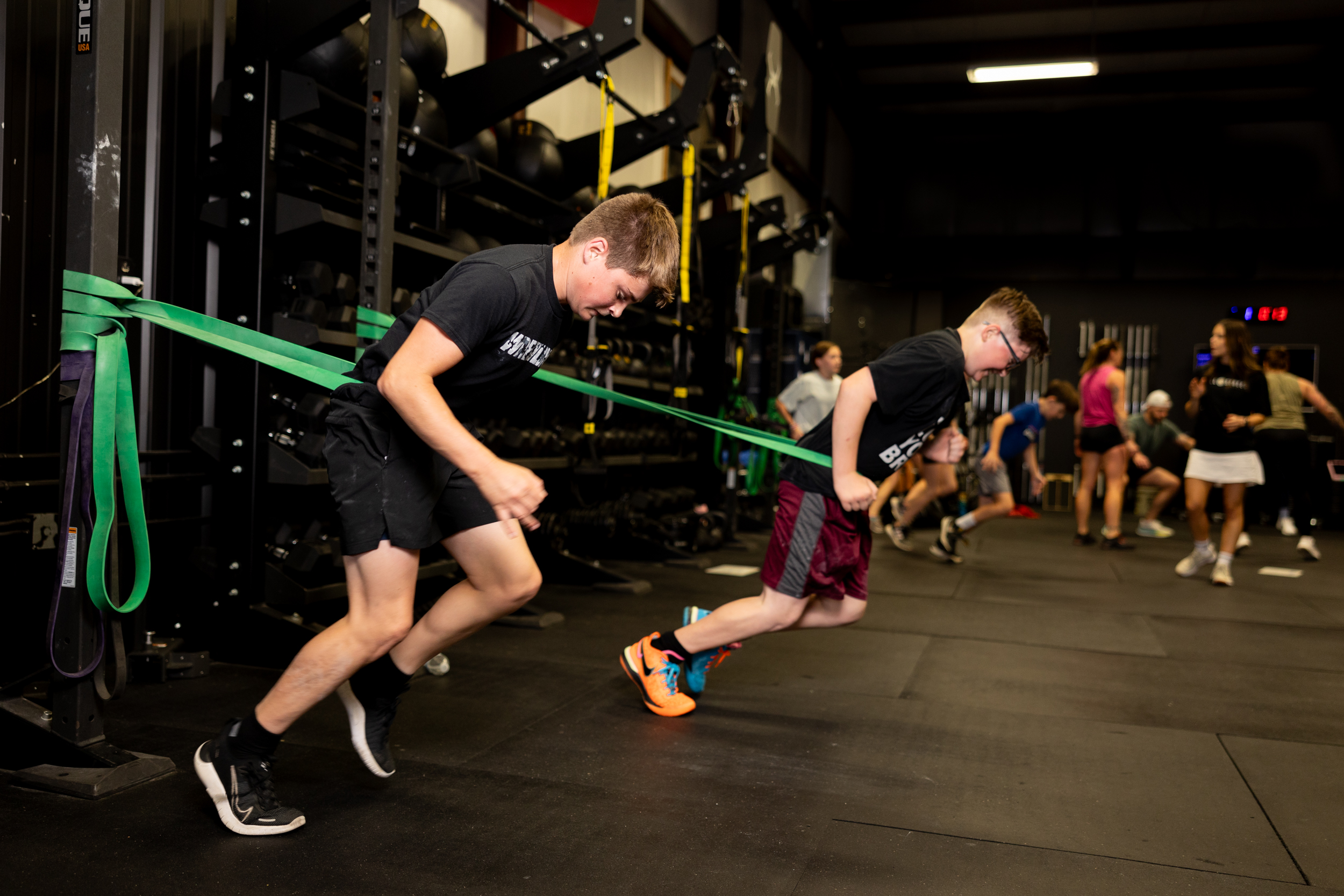
Kids learn how to hinge, squat, push, pull, rotate, sprint, and land with proper mechanics.This is the foundation of everything else.
Before strength comes control.Before speed comes rhythm.Before power comes stability.
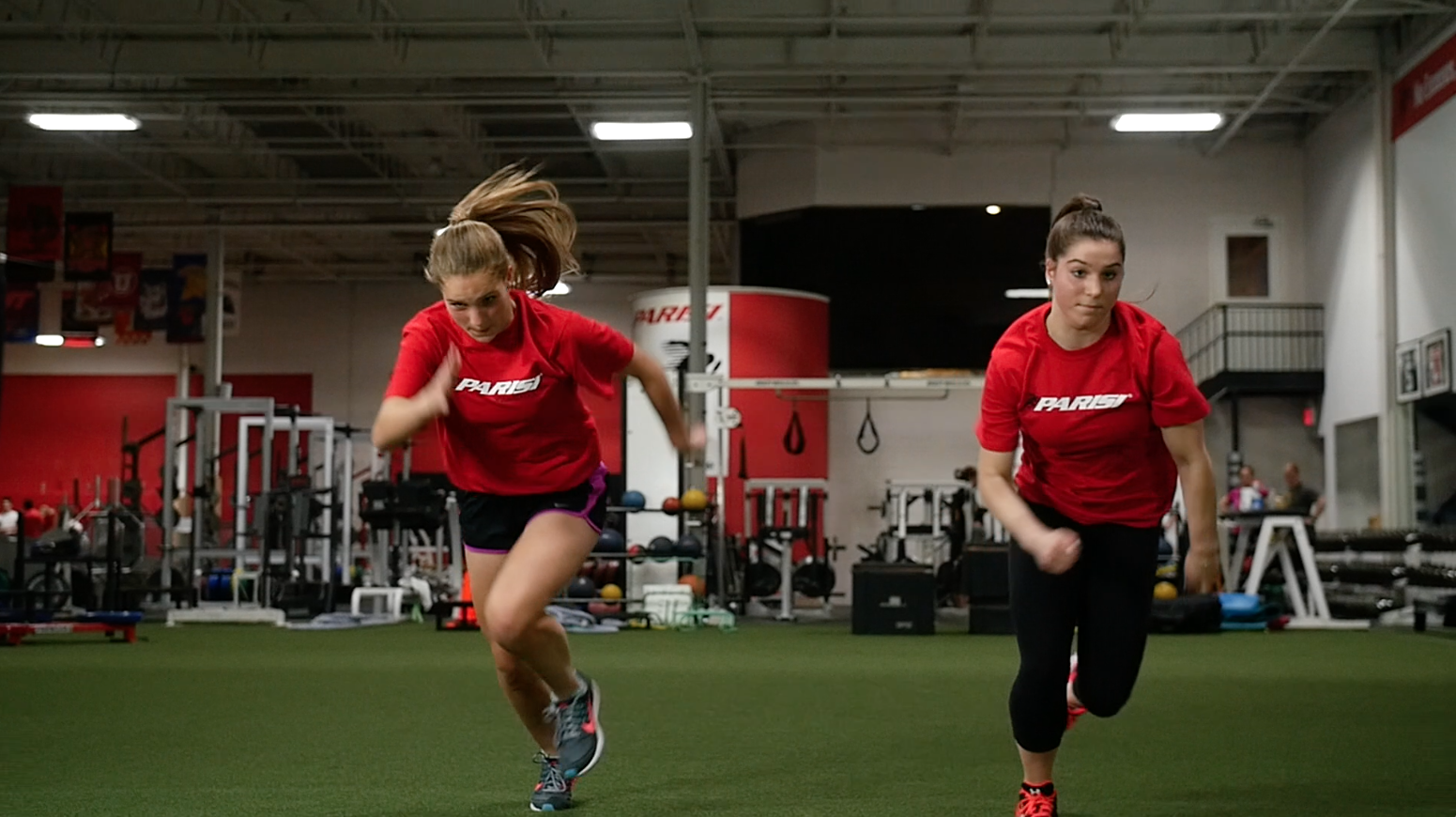
Speed is a skill — not a genetic gift.And it must be taught intentionally.
The goal isn’t to peak at 14.The goal is to build an athlete who can grow, adapt, and stay healthy for years.
Every kid moves differently.Every kid needs different corrections.School weight rooms simply don’t have the bandwidth for that.
Parents want their kids to be confident, capable, and safe.They want them to enjoy sports, not fear injury.They want them to grow into strong, coordinated, resilient young adults.
But that doesn’t happen by accident.
It happens through intentional development — the kind that goes beyond “working out” and builds the movement foundation kids will use for the rest of their lives.
School sports and weight rooms are a great start.But they’re not the whole picture.
If you want your child to:
…they need training that teaches more than just lifts.
They need training that teaches movement.
And that’s where true athletic development begins.
.jpg)









.jpg)
.jpg)


.jpg)
.jpg)




.png)



.png)







.png)


.png)

.png)


