

Here's something that bothers me.
When schools feel pressure to raise test scores, the first things to get cut are PE and recess.
The thinking makes sense on the surface. More time in the classroom means more time learning, right?
But that's not how it works.
And the science is starting to prove it.
There's a book called Spark by Dr. John Ratey. He's a clinical professor of psychiatry at Harvard Medical School, and in this book he makes an argument that I think every parent and teacher in America needs to hear.
Physical education is not time away from academics.
It's academic support.
When kids move — when they run, jump, train, and push their bodies — they are not just burning energy or staying out of trouble. They are preparing their brains to learn.
That is not motivational fluff. That is neuroscience.
Ratey's research shows that exercise triggers the release of chemicals in the brain that improve focus, mood, attention, behavior, and memory.
It also helps kids regulate stress. It helps them stay calm under pressure. It helps them retain information.
Think about what a teacher actually needs from a student to make learning happen.
Exercise supports all of that.
So when you take PE away in order to give kids more seat time, you might actually be taking away one of the things that makes seat time effective in the first place.
More seat time does not automatically equal more learning.
A tired, restless, distracted student sitting in class for an extra 45 minutes is not going to perform better because you removed their movement break.
Kids don't need less movement so they can sit longer.
They need more purposeful movement so they can learn better.
That's a completely different idea — and it changes how we should be thinking about physical activity for young athletes and kids in general.
This also doesn't mean rolling a ball out and calling it PE.
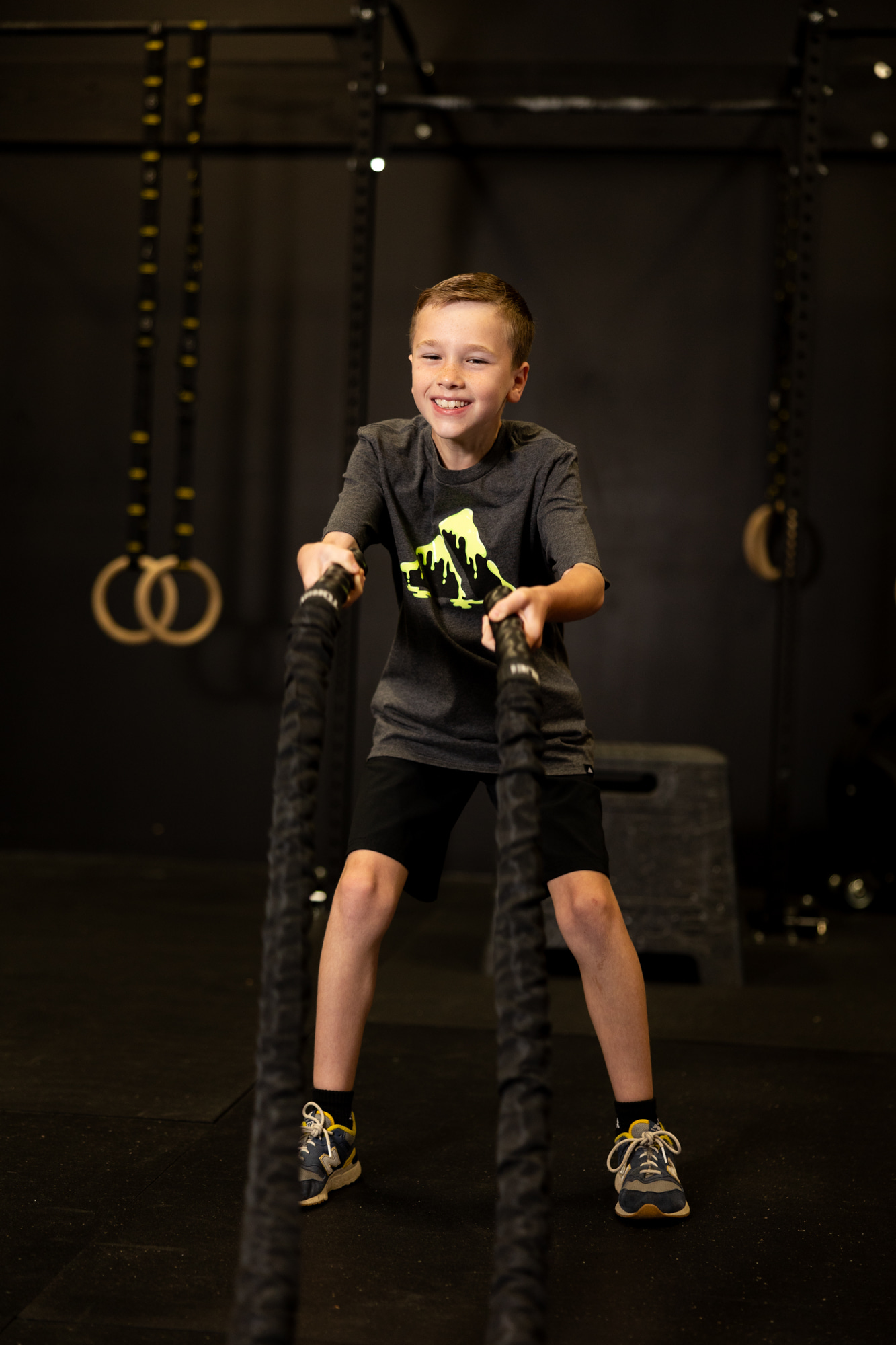
The kind of movement that actually prepares the brain to learn is intentional. It's effort-based. It challenges kids physically in a way that also challenges their coordination, their focus, and their confidence.
That's very different from the old-school gym class where the athletic kids dominate and the less athletic kids try to blend into the wall.
Real, quality movement builds:
Those qualities don't just show up in sports. They show up in the classroom. They show up in how a kid handles a hard test, a frustrating moment, or a setback.
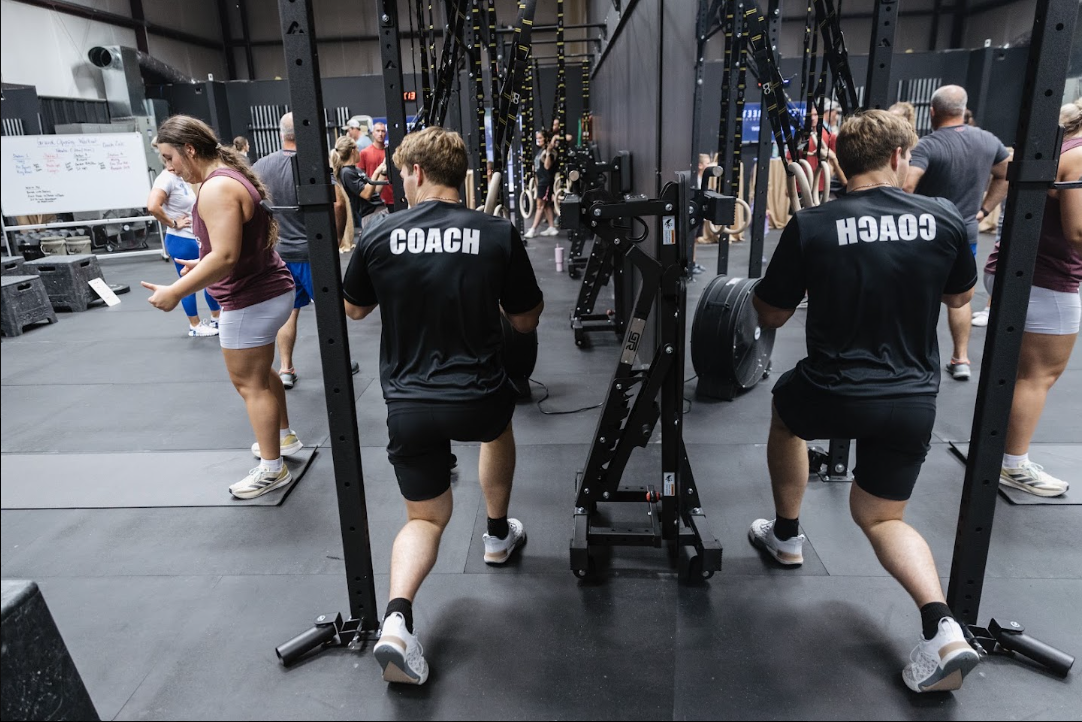
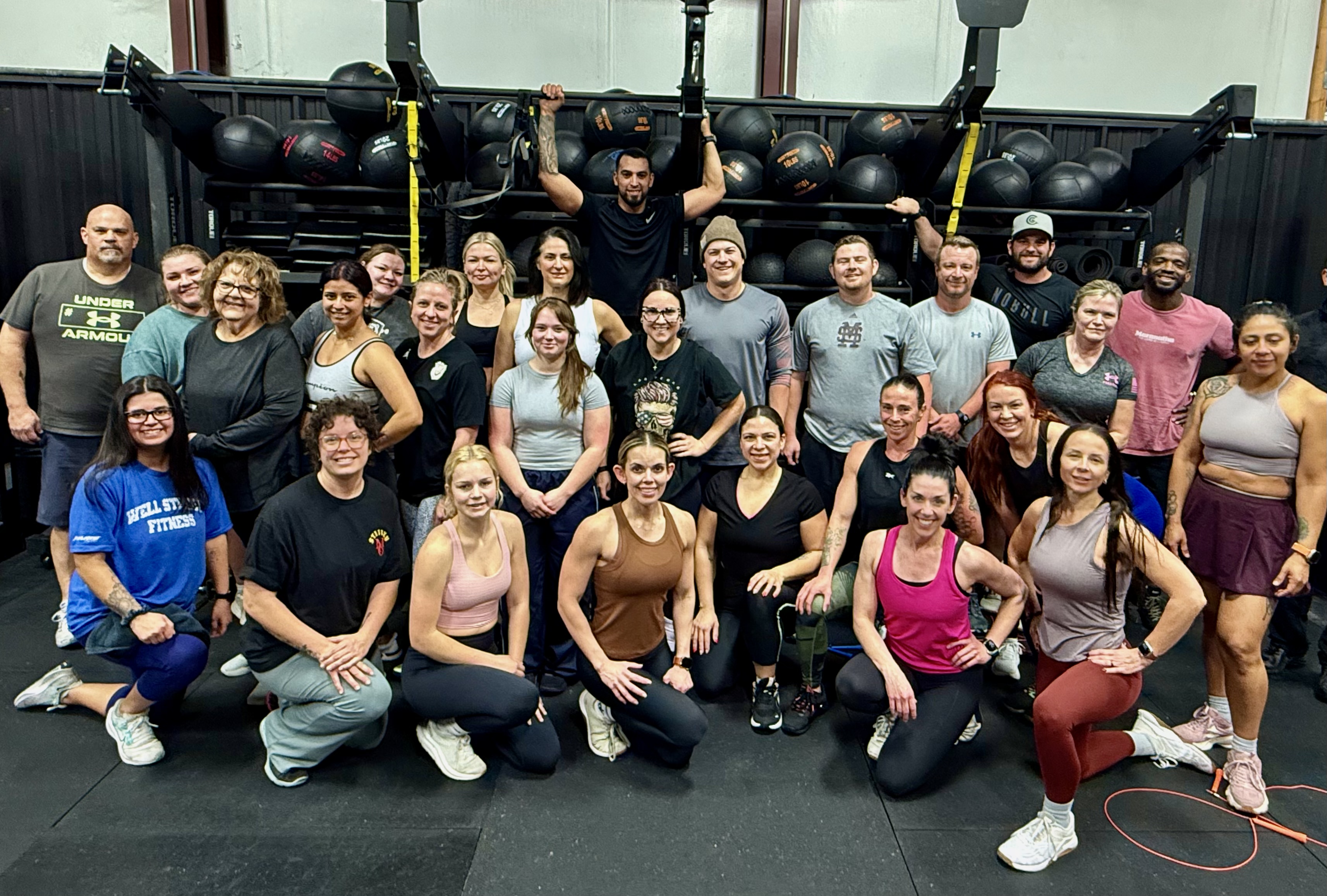
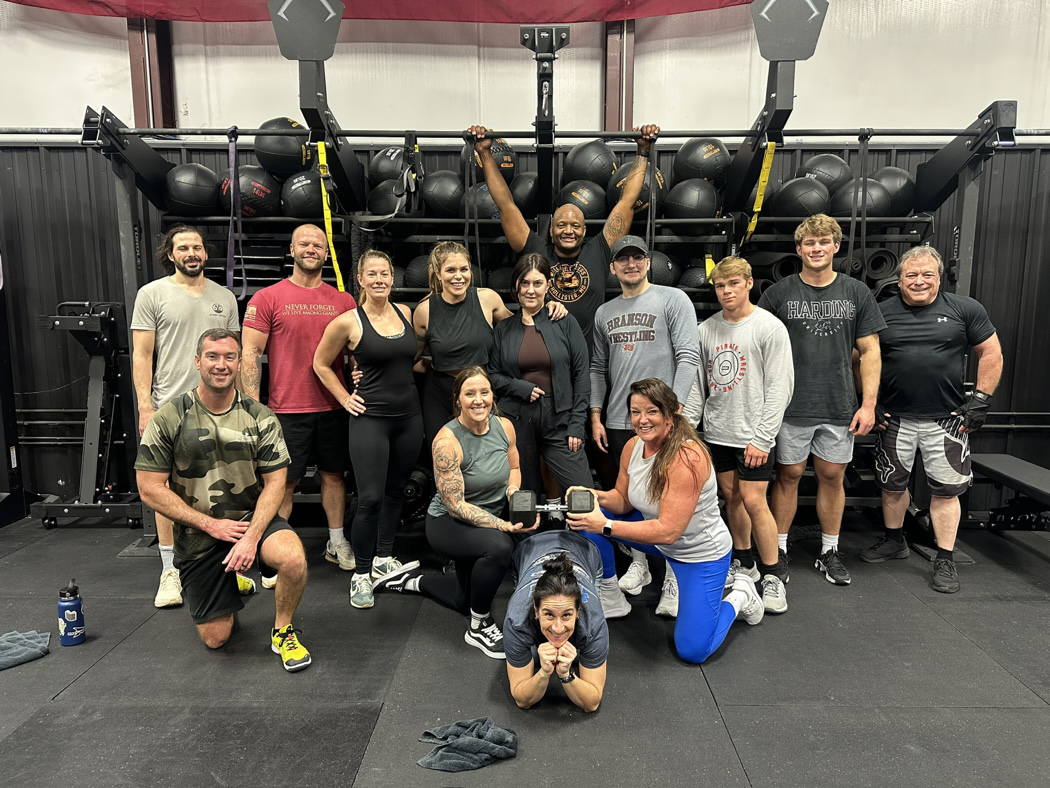
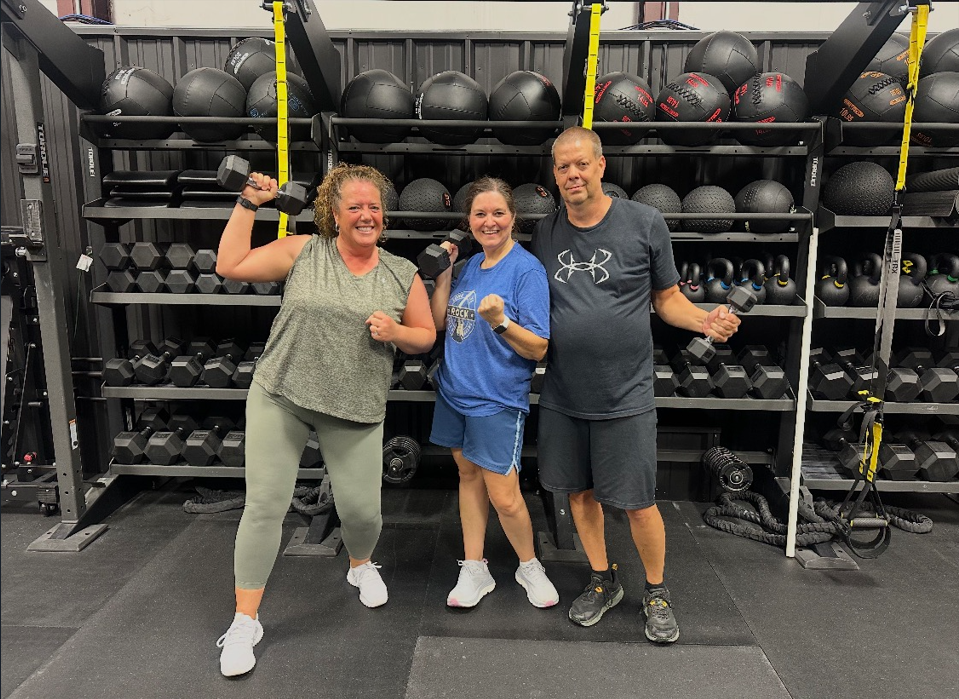
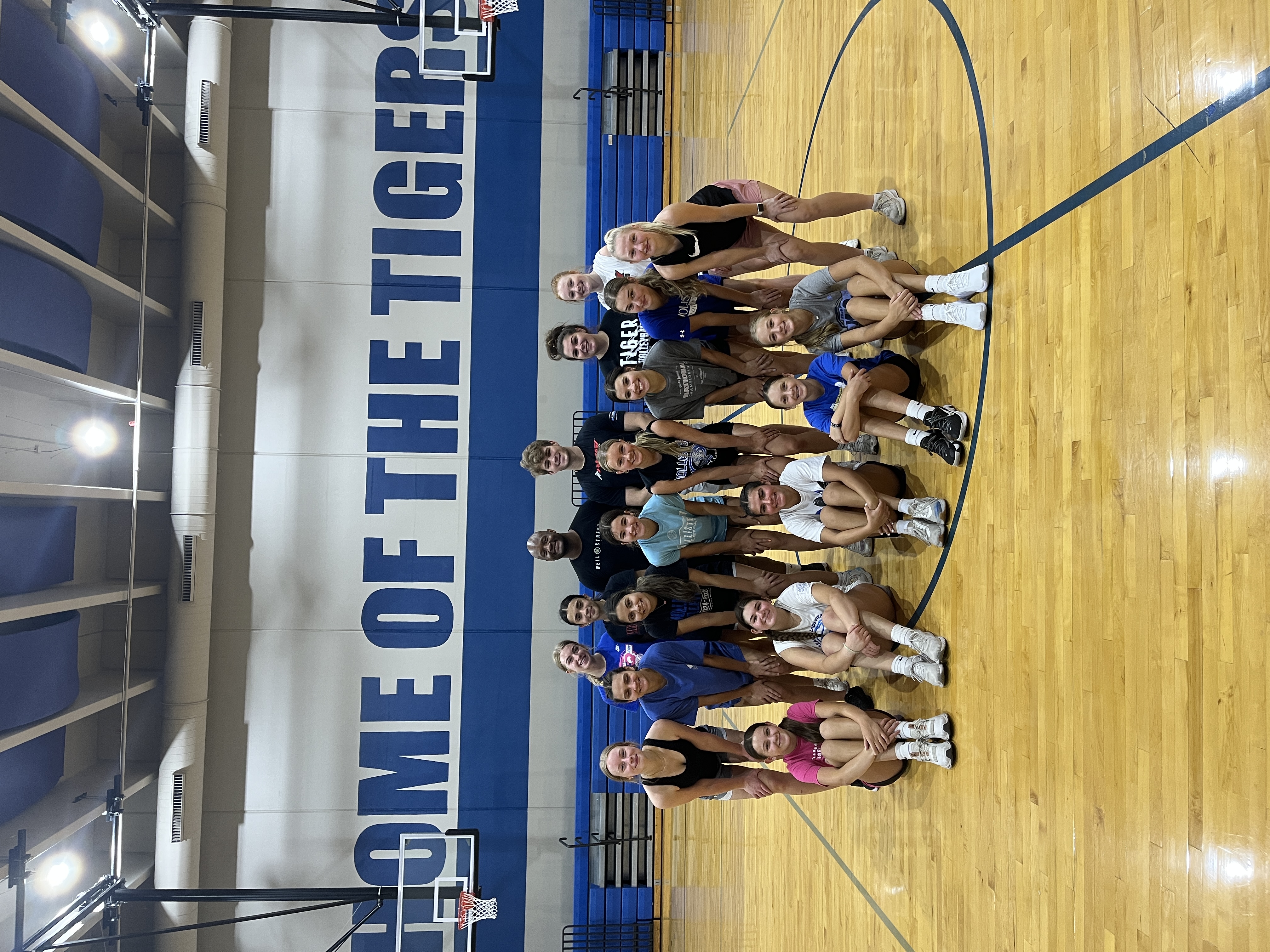
I see this every week at WSF.
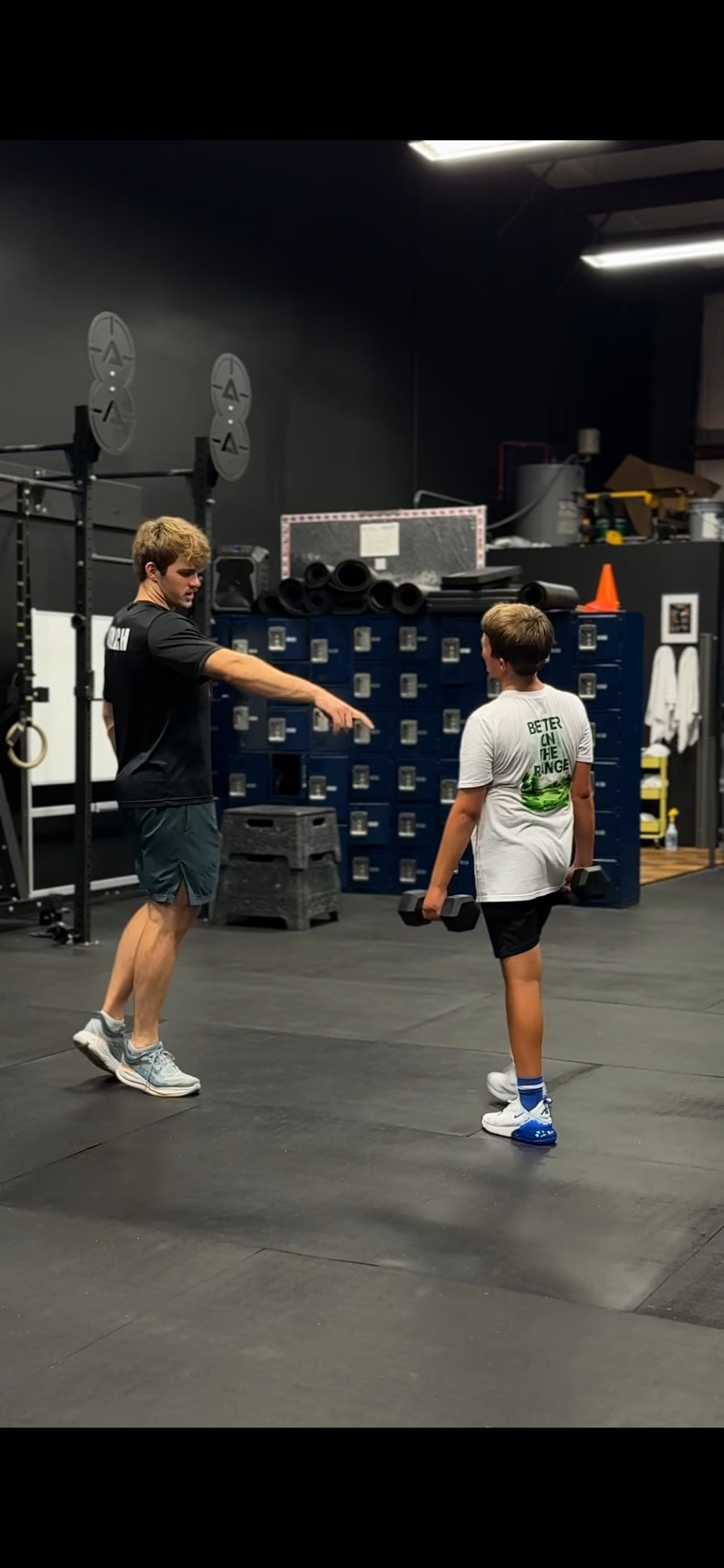
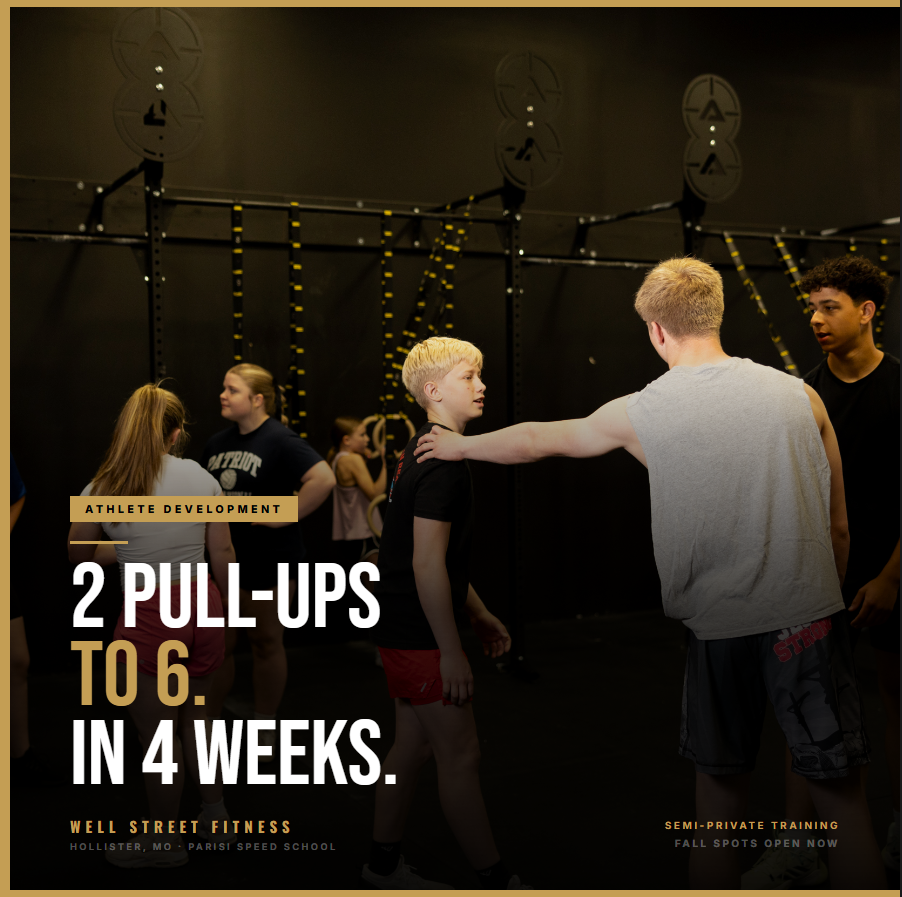
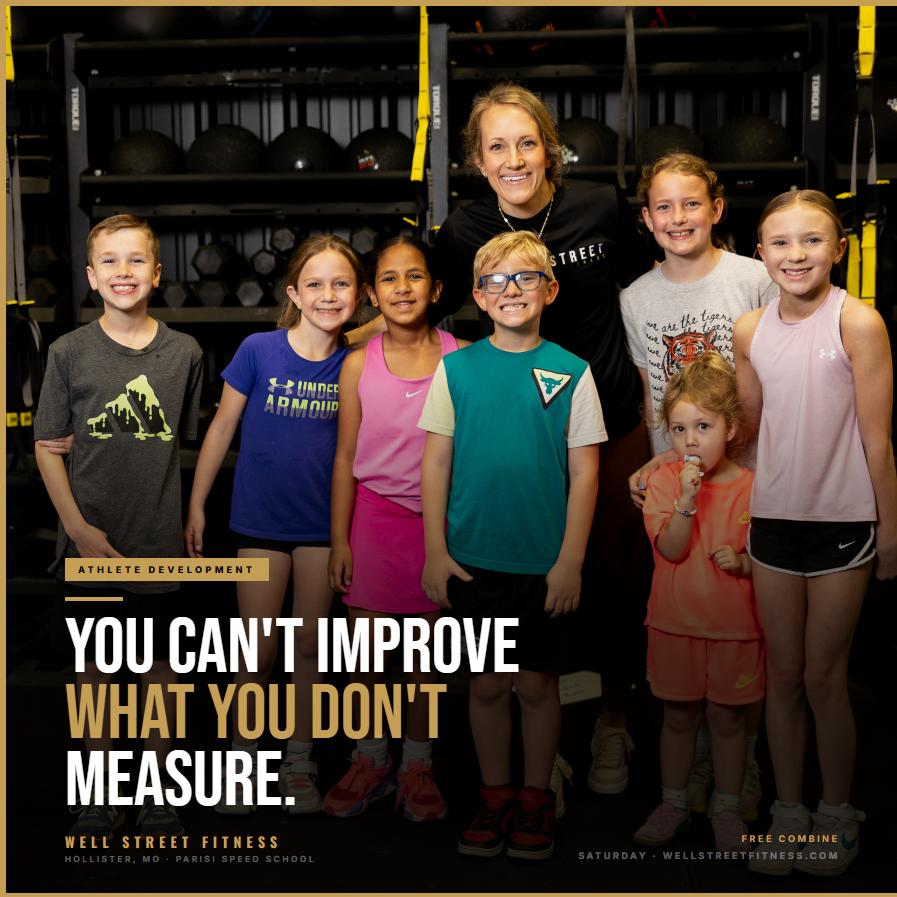
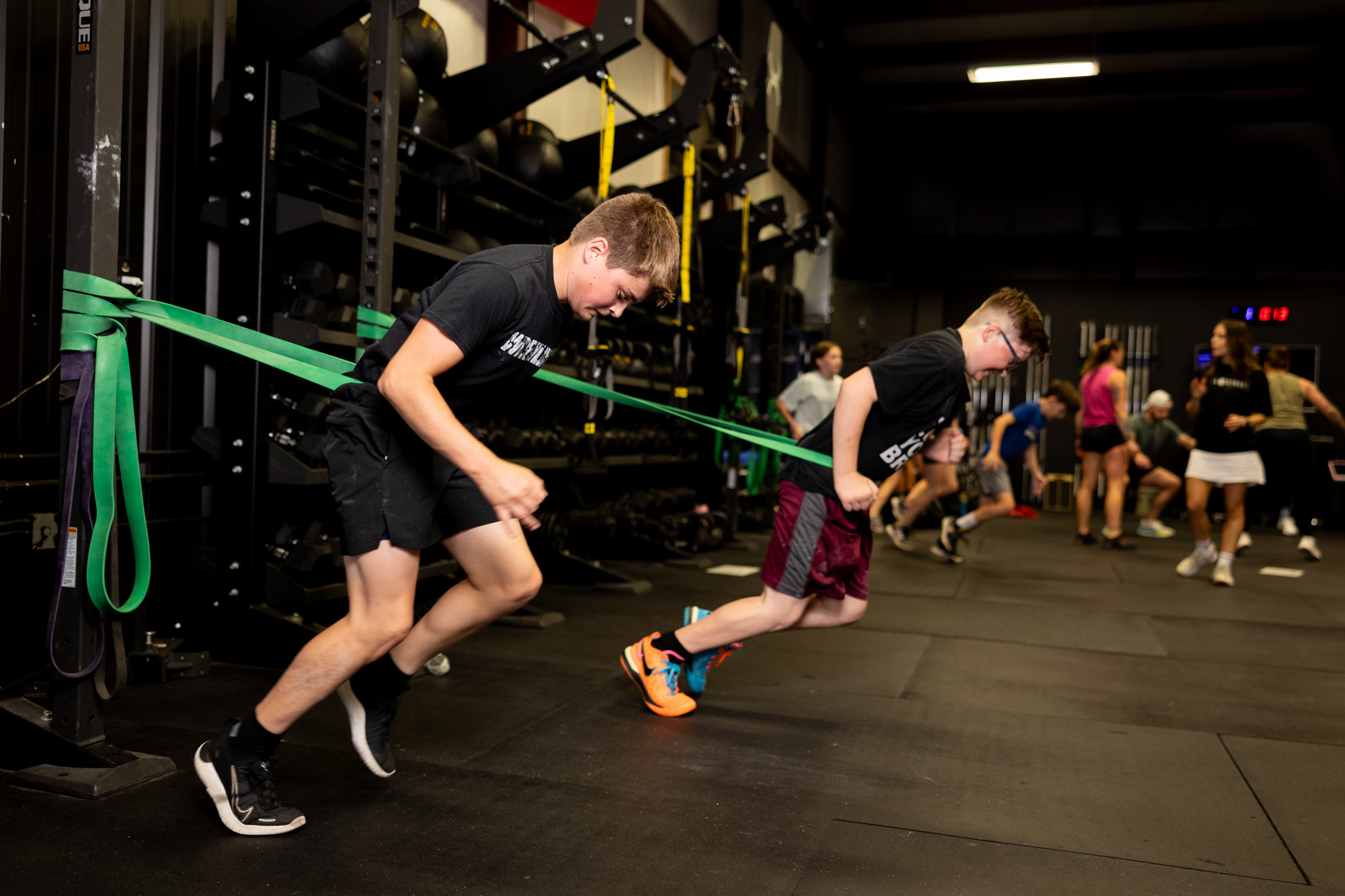
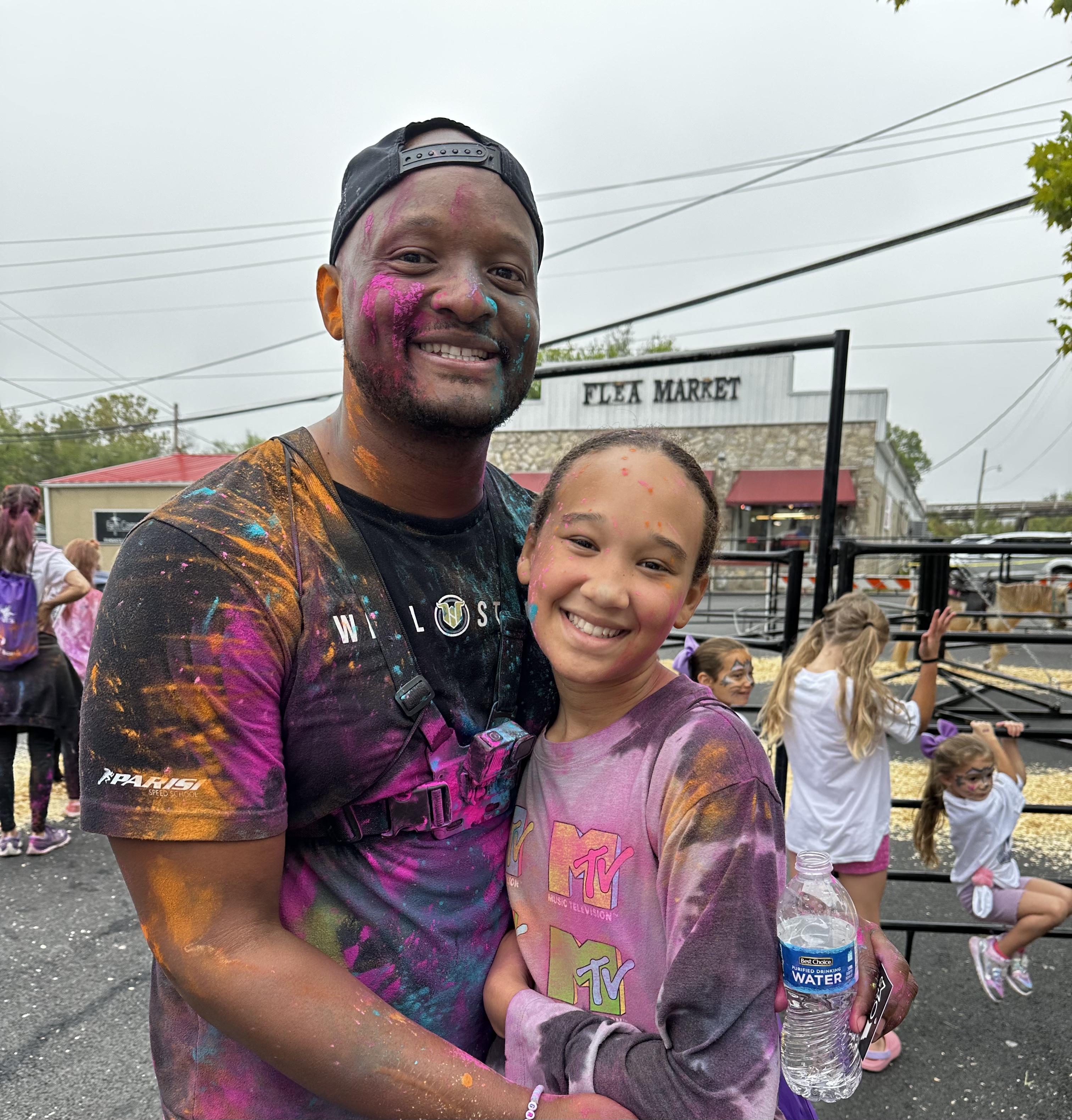
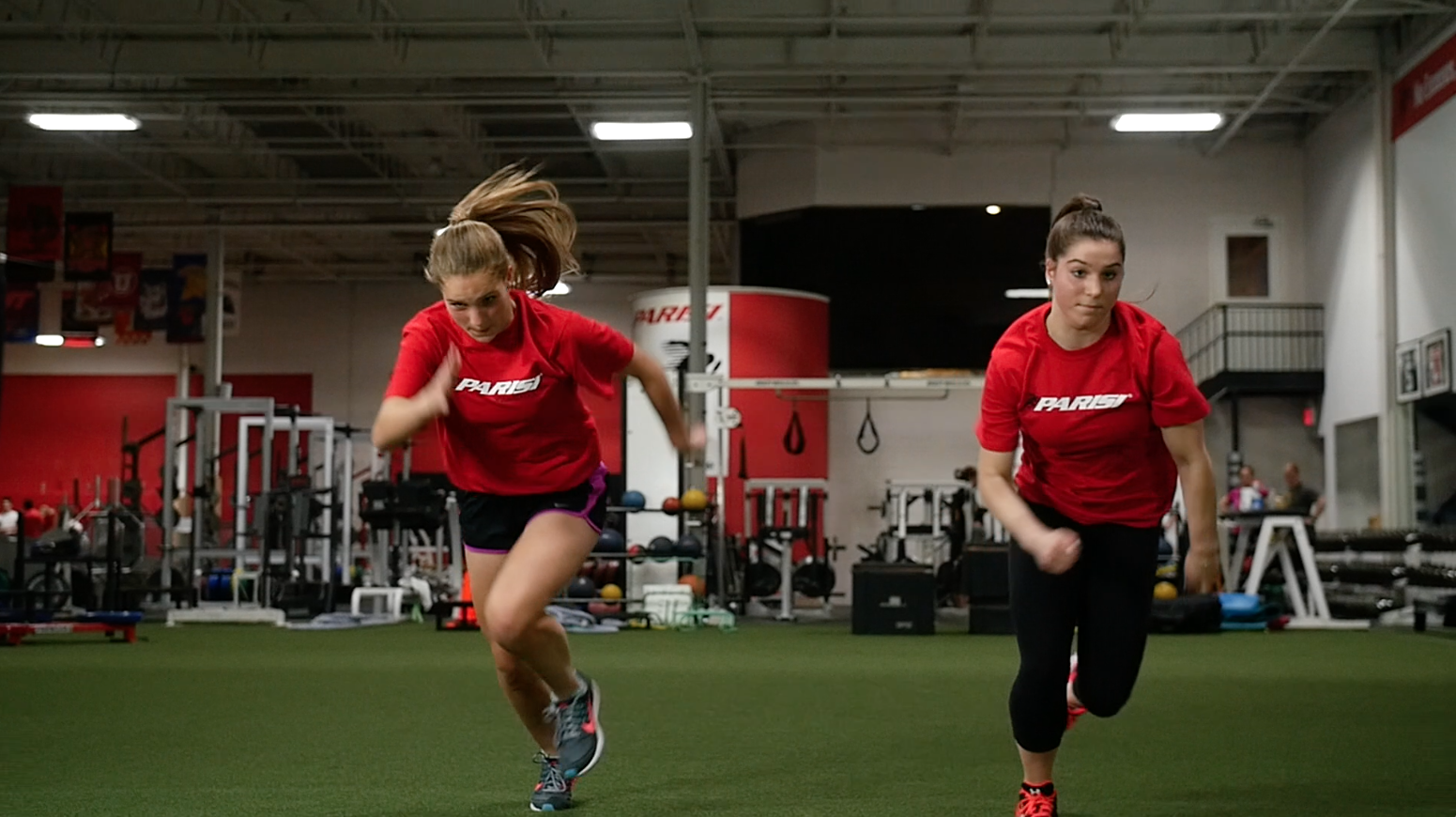
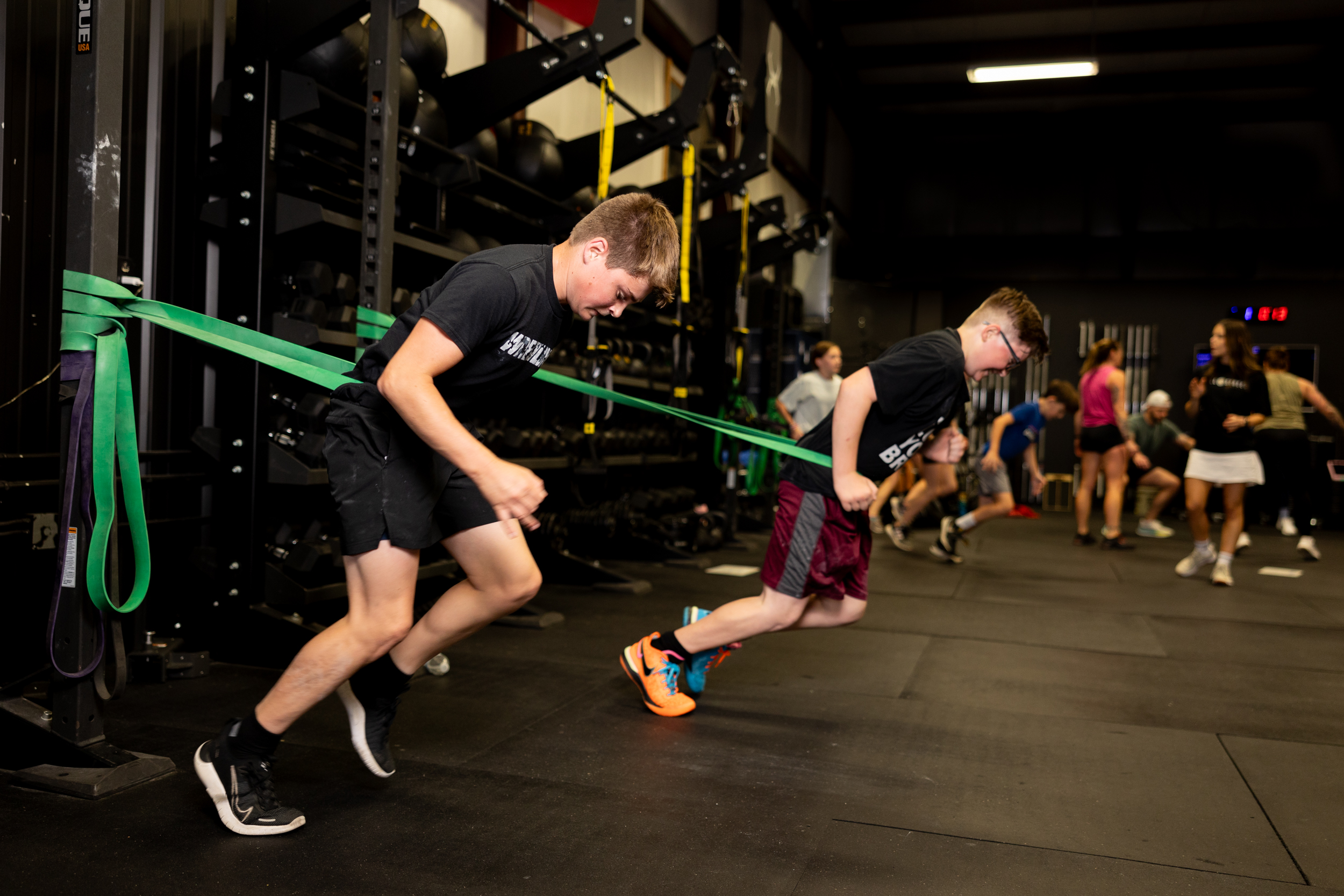
Our young athletes come in through our Parisi Speed School program. They're training to get faster, stronger, and more explosive on the field.
But what I notice — what parents notice — is that it doesn't stop at the field.
Kids who train consistently develop a different relationship with hard things. They stop running from difficulty. They start facing it.
They learn how to fail a rep and try again. They learn how to show up when they don't feel like it. They learn how to push past the voice in their head that says "I can't."
That mindset carries over. Into school. Into life. Into everything.
We've spent a long time treating the body and the brain like they're separate systems.
They're not.
If we want our kids to perform better — in school, in sports, in life — we have to start paying attention to how much they're moving, how well they're moving, and whether their physical foundation is strong enough to support everything else we're asking of them.
Physical education is not the enemy of academic performance.
Done right, it's one of its greatest allies.
PE should not be treated like something kids do when the real work is over.
It should be treated as part of the work.
When kids move better, feel better, and regulate their bodies better, they show up ready to learn, ready to focus, and ready to grow.
The body prepares the brain.
And it's time we start building training programs and school schedules like we actually believe that.
Ready to build that foundation for your athlete?
At Well Street Fitness, our Parisi Speed School program helps young athletes build the speed, strength, coordination, and discipline they need to perform better — in sports and in the classroom.
If you want to see what that looks like for your kid, come in for a free No Sweat Intro. No pressure, no commitment. Just a conversation about where your athlete is and where they want to go.
Book Your Free No Sweat Intro → wellstreetfitness.com/programs/get-started
Well Street Fitness | Hollister, MO | Parisi Speed School | wellstreetfitness.com
.jpg)







.jpg)
.jpg)



.jpg)
.jpg)




.png)



.png)







.png)


.png)

.png)


