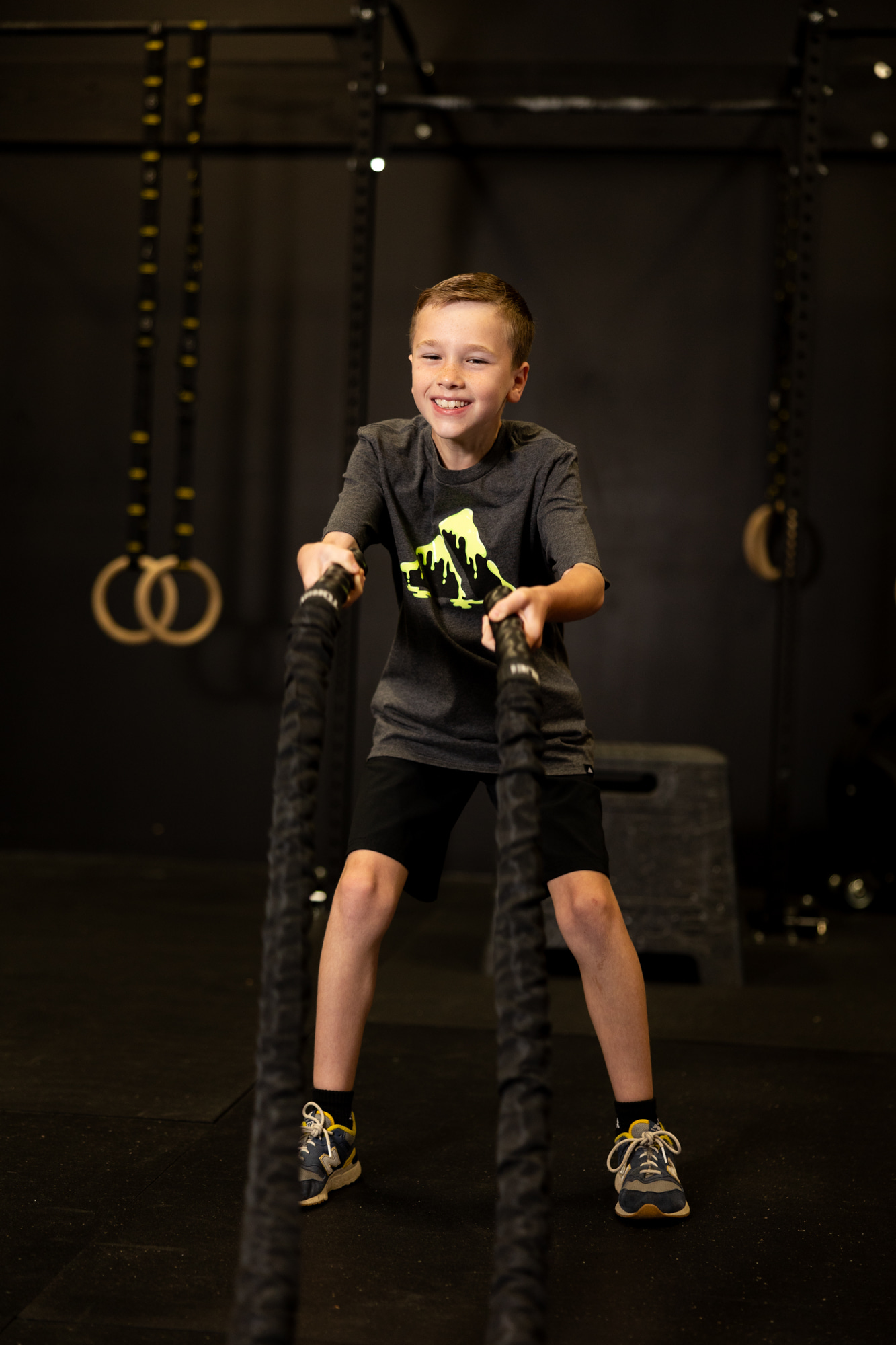

Parents ask me this question almost every week.
"My kid already lifts at school. Isn't that enough?"
Here's my honest answer. It's a good start. It's just not enough on its own.
Let me explain exactly why, based on what I've seen coaching youth athletes.
Too many athletes, not enough coaching.
In my experience, school weight rooms often run 30 to 40 kids through one class period. One coach, maybe two. Nobody can give individual correction at that ratio. It's just math.
The goal is "get stronger," not "get faster and stay healthy."
School weight training is built around general strength. That's a fine goal. It's just not built around sprint mechanics, change of direction, or keeping an athlete healthy for a full season.
The coach running it usually isn't a performance specialist.
At a lot of schools, especially smaller ones, the weight room falls to a sports coach who already has a full time job, coaching the sport. They're good at that. They're not trained in how a growing athlete's body should move and load.
Speed and injury resilience aren't part of the curriculum.
Practice makes an athlete better at their sport. It does not teach proper landing mechanics, deceleration, or how to build a body that holds up over an entire season.
That's the real gap. Not a knock on schools. Just time, ratios, and training focus.
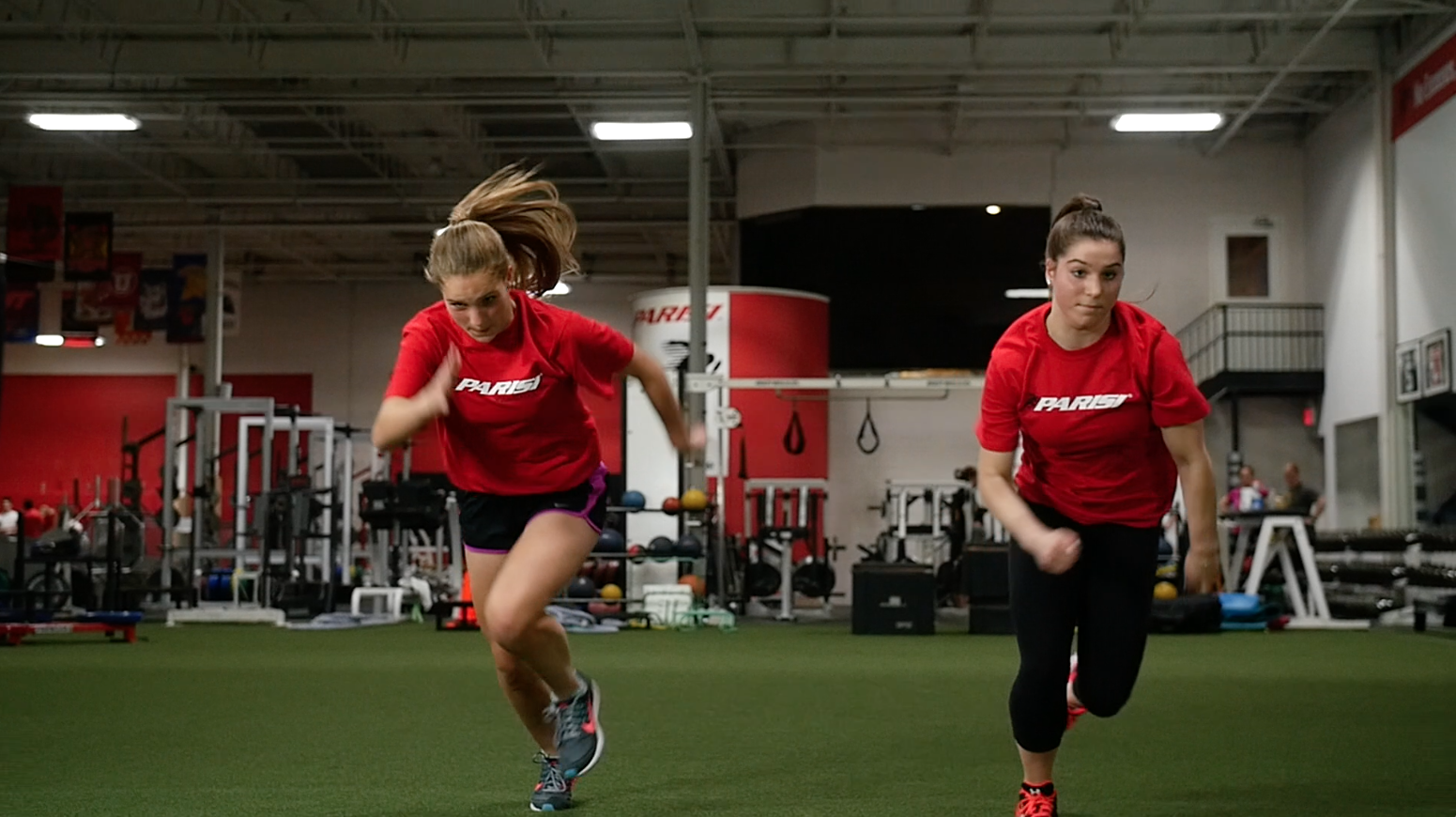
At Well Street Fitness, we're an official Parisi Speed School. That means our program is built on over 30 years of research and more than 1 million athletes trained nationwide.
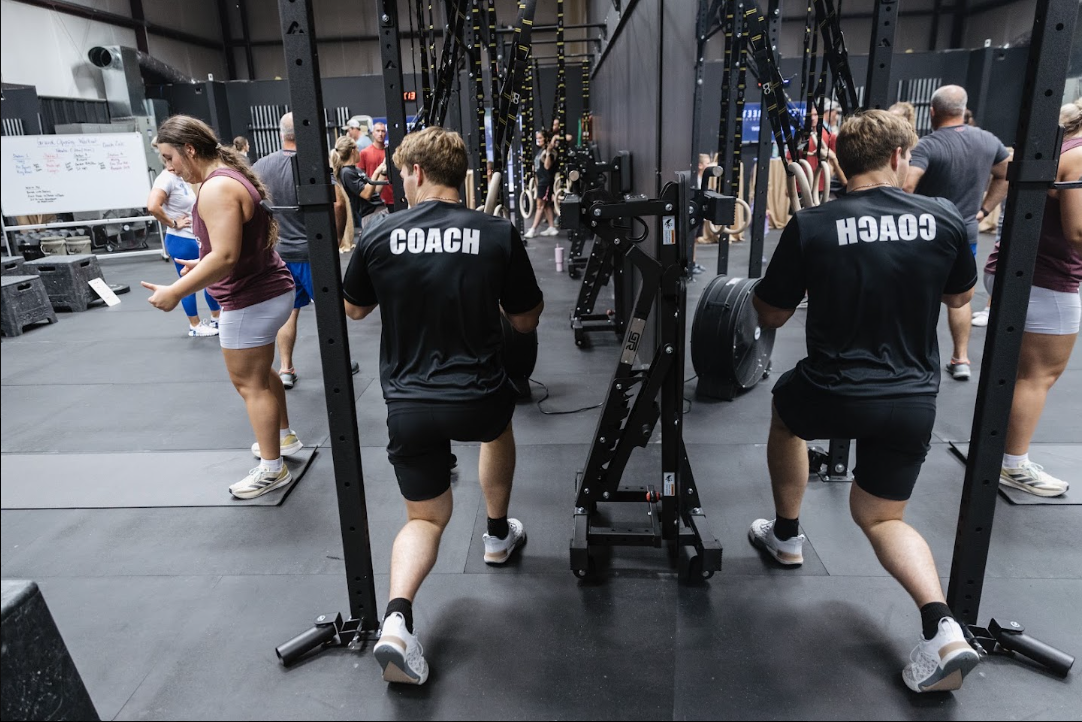
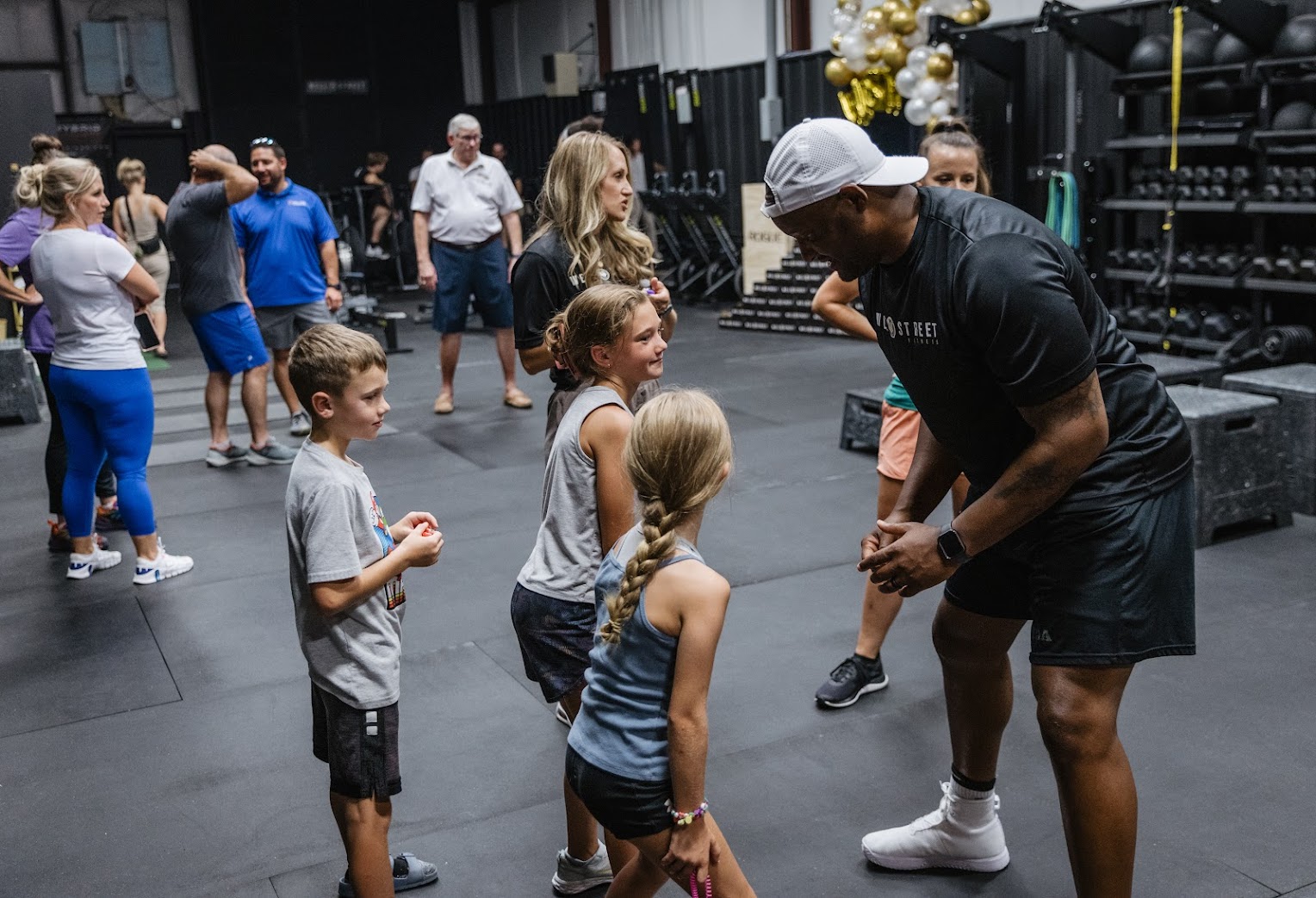
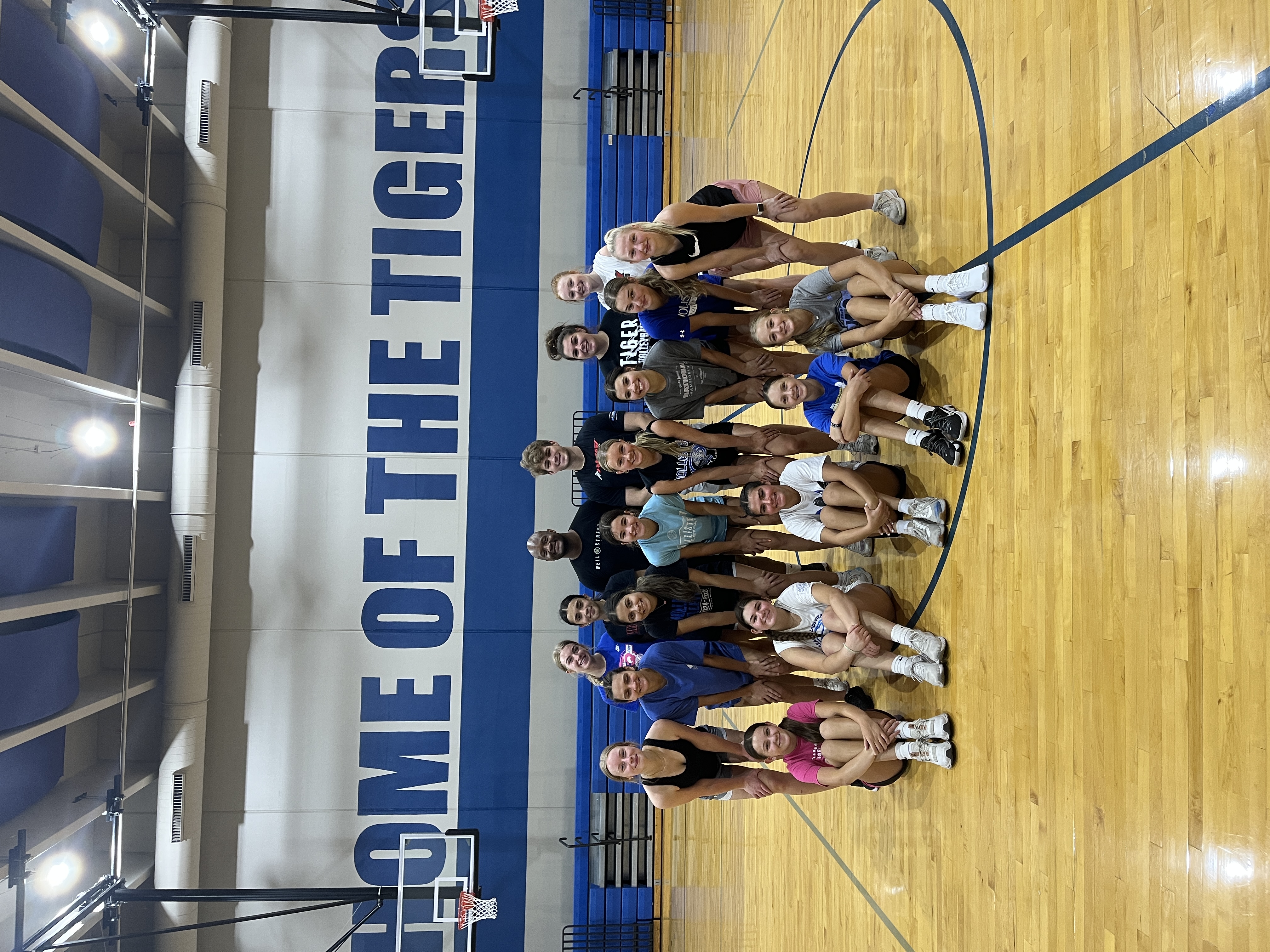
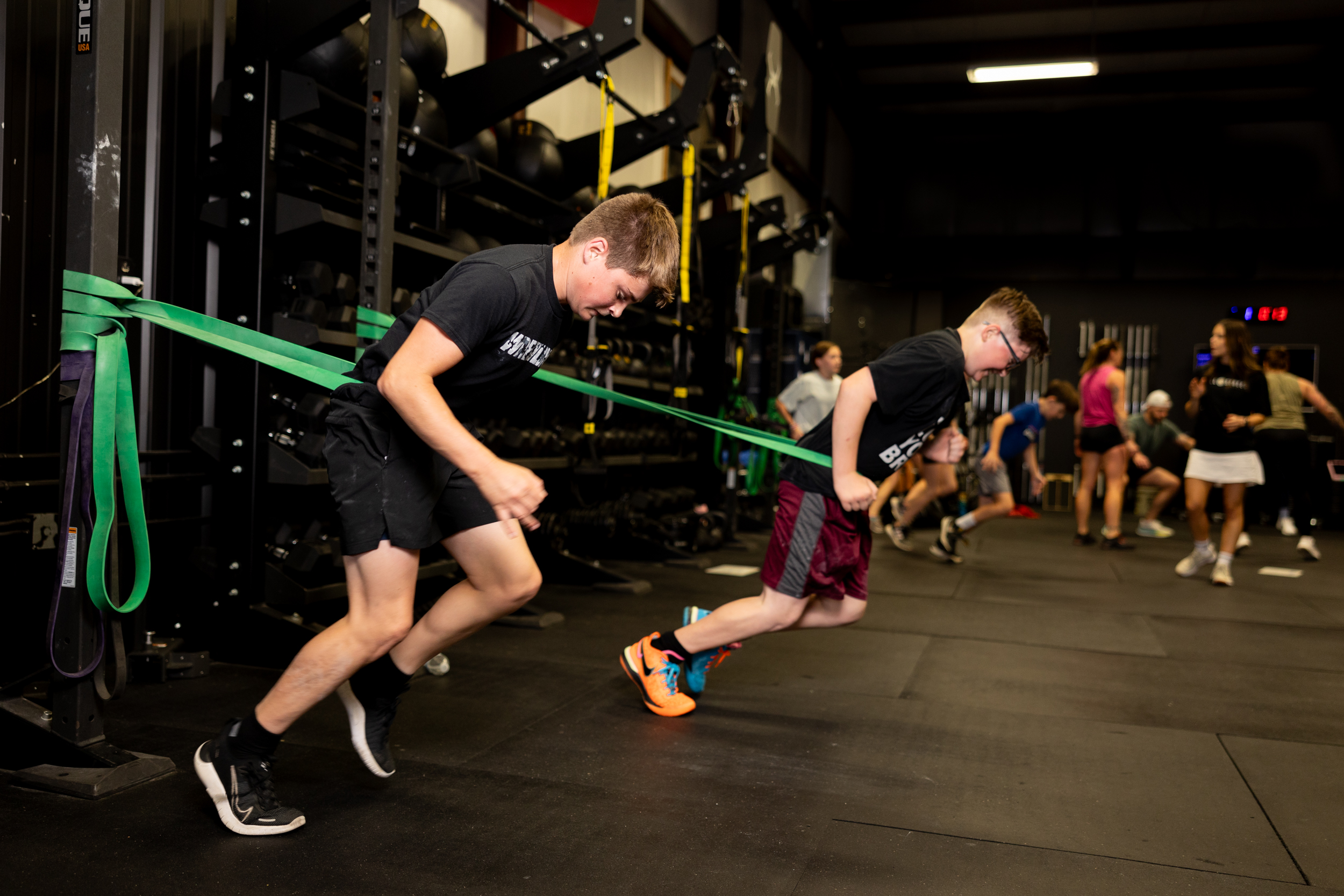
Our classes run small. 8-10 athletes per group, not 40.
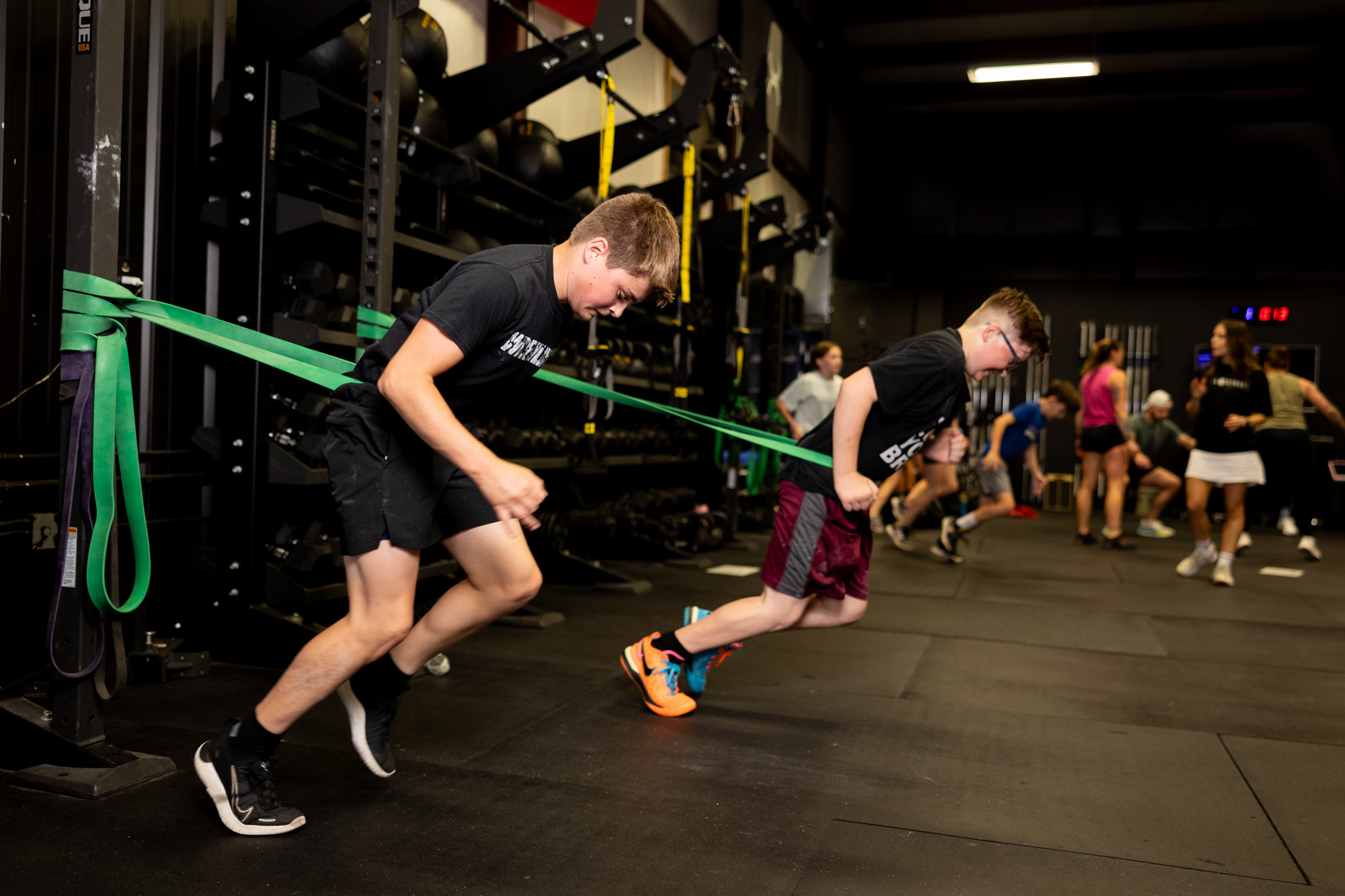
Every session has a focused purpose. One day is linear speed. Another is multi-directional agility. Another is strength, programmed specifically for growing athletes.
We're not just trying to make kids stronger. We're teaching them how to move well, so they can play their sport better and avoid the injuries that sideline so many young athletes.
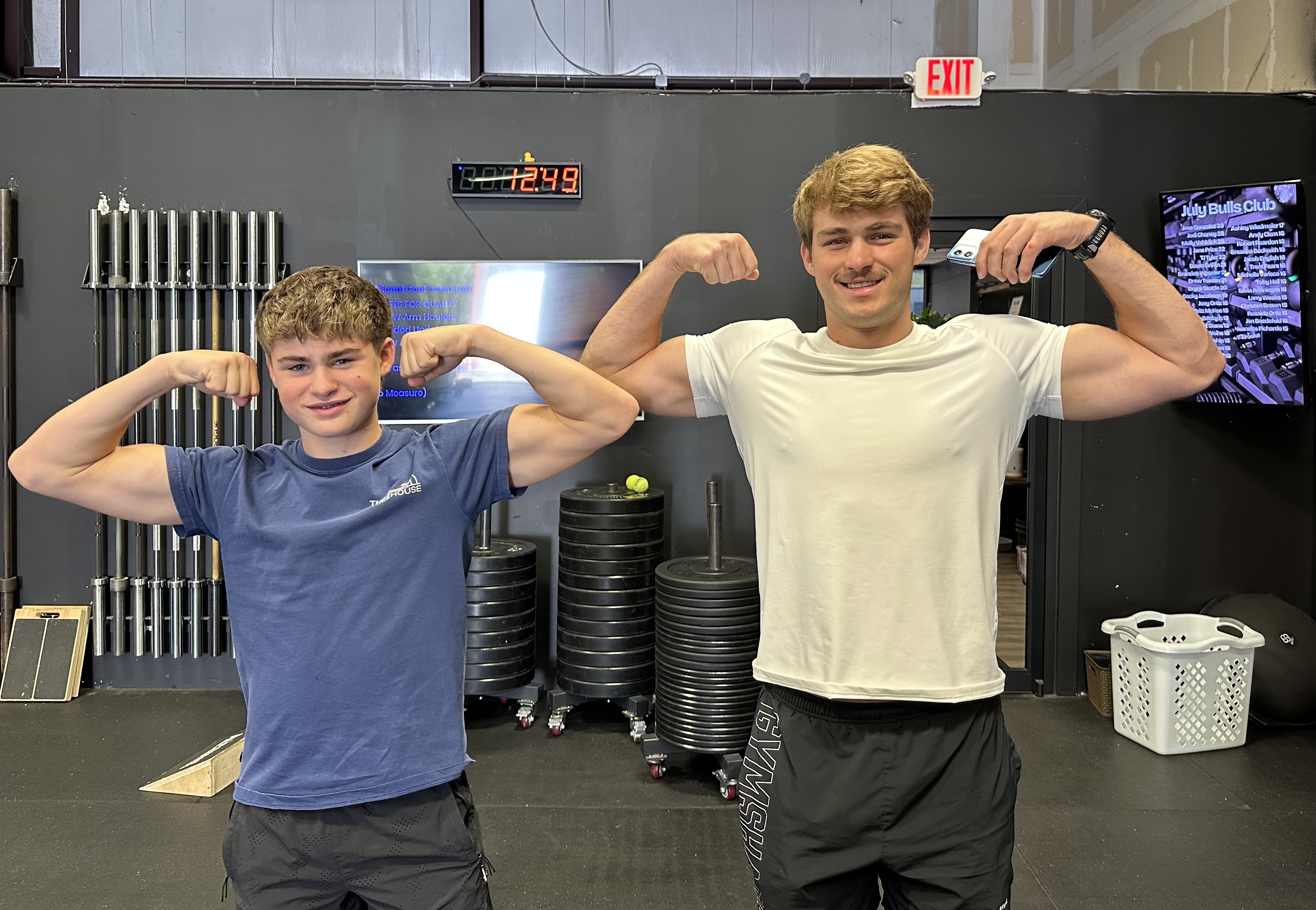
Mark started training with us in 8th grade. The summer before his freshman year, he committed to speed and strength training, two to three days a week, all the way into his freshman basketball season.
He was already practicing. He was already lifting at school. That wasn't the missing piece.
The result wasn't just a faster first step.
He was a different kid on the court. More confident. Less hesitant. Playing like he belonged there.
That kind of change doesn't come from one good workout. It comes from consistent, individualized coaching over time, something a 40-person school weight class isn't built to give.
This part is personal for me.
In high school, I dealt with repeated injuries. I missed nearly an entire football season as a freshman, and half a season each of my junior and senior years. Every one of those injuries could have been prevented with proper training.
That experience is a big part of why injury resilience is built into everything we coach, not added on as an afterthought.
One of our athletes, Lily, came to us with ongoing knee pain. She'd been playing through it during regular practice for a while, but practice alone never fixed it. It's not designed to. Practice is built to make you better at your sport, not to correct how your body moves.
We worked together on strengthening the muscles around her knee and correcting how she moved. At her most recent tournament, she told us it was the first time in a long while her knee didn't hurt during a game.
That's the goal. Not just a faster athlete. An athlete whose body can hold up to their sport.
A lot of parents assume speed is mostly genetic. It's partly true, some athletes have a natural edge, but speed itself is a trainable skill.
Mechanics like arm action, foot strike, and body position can all be coached and improved. That's a core part of what we focus on every single session.
Is school weight training bad for my athlete?
No. It's a good starting point. It just isn't designed to give individual attention or sport-specific speed and agility training, especially in larger classes with limited time.
Why exactly isn't school weight training and practice enough?
In my experience as a youth performance coach, four things are usually missing. Class sizes are too large for individual coaching. The goal is general strength, not speed or injury prevention. The coach running it is usually a sport coach, not a performance specialist. And speed mechanics and injury resilience simply aren't part of a practice curriculum.
What makes Parisi Speed School different from a regular gym?
Parisi has over 30 years of experience and has trained more than 1 million athletes. The program is built specifically for youth athletes, with small class sizes and a curriculum focused on speed, strength, and injury resilience.
Can speed actually be taught, or is it just genetic?
Speed is a trainable skill. While natural ability plays a role, proper mechanics, like arm action, foot strike, and body positioning, can be coached and significantly improved.
How young can my athlete start?
We work with athletes ages 7 to 18, with programming built around the right stage of development for each age group.
If you want to see what this kind of training looks like before committing to anything, message us the words "youth performance" and we'll send you a free at-home speed workout you can try with your athlete this week.











.jpg)
.jpg)



.jpg)
.jpg)





.png)



.png)








.png)


.png)

.png)


