

Parents talk about it at every tournament.
Coaches bring it up at the start of every season.
Athletes hear about it and quietly hope it does not happen to them.
ACL injuries in girls volleyball are one of the biggest fears in youth sports right now.
And for good reason.
An ACL tear can mean surgery. Months of rehab. Missed seasons. Lost confidence. A long road back to the court.
But here is the problem.
A lot of people are afraid of ACL injuries.
Very few are actually doing anything about it.
The risk is real.
Female athletes experience ACL injuries at a higher rate than male athletes. There are anatomical, hormonal, and neuromuscular factors that contribute to that.
But treating it like it is inevitable is the wrong response.
There are things your daughter cannot change.
There are also a lot of things she can improve.
She can get stronger. She can learn to land better. She can develop the strength and control to absorb force the right way. She can train consistently and build a body that is better prepared for what volleyball actually asks of it.
That is where the real opportunity is.
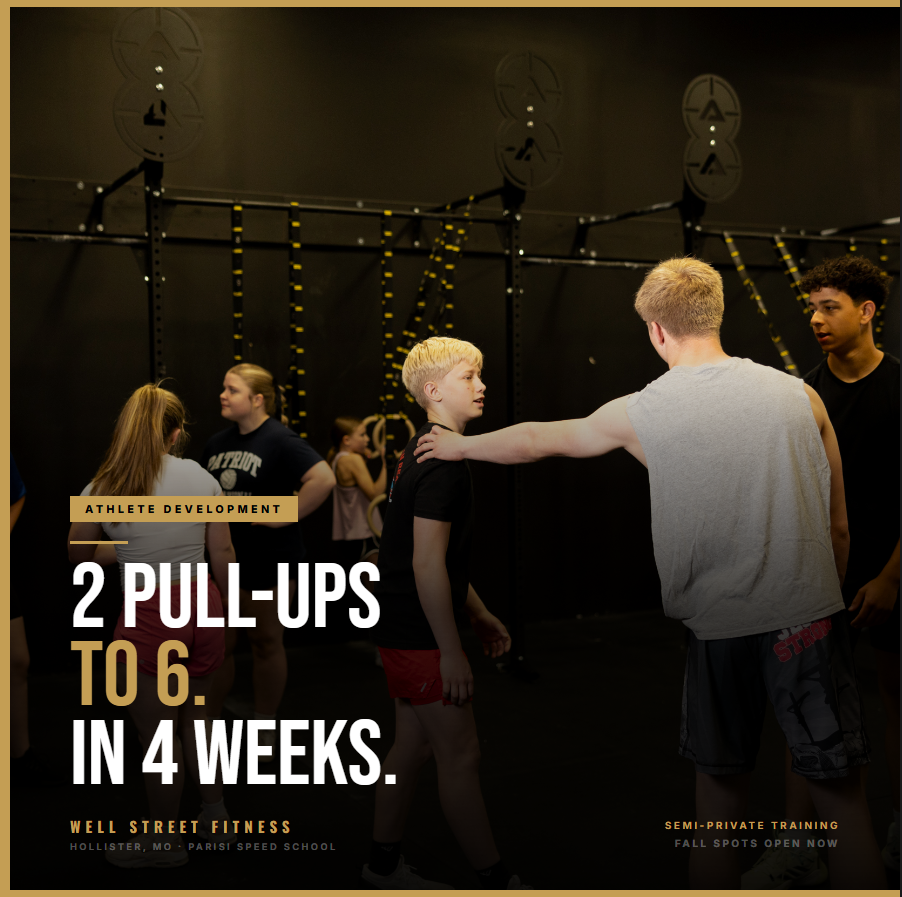
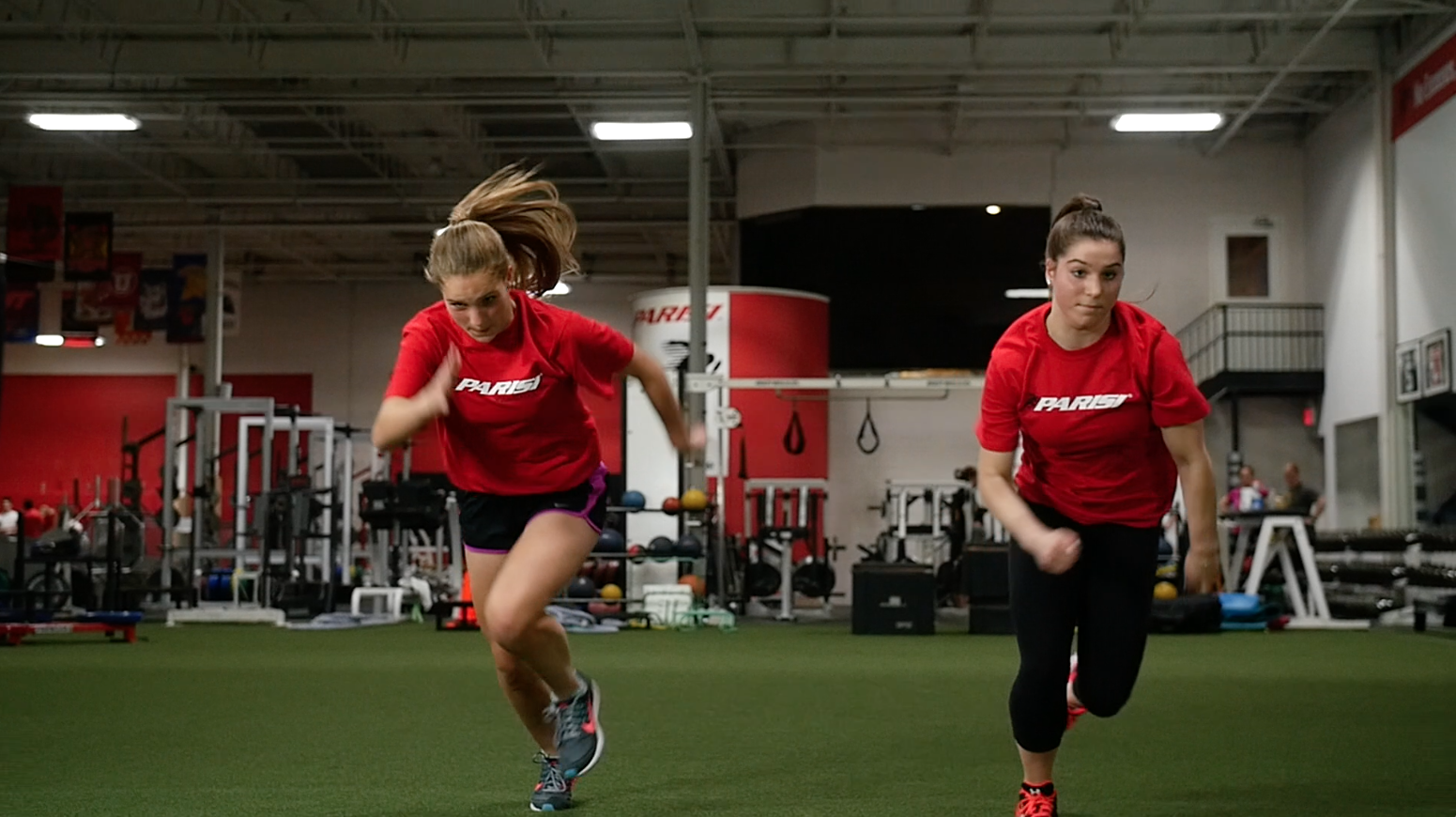
At Well Street Fitness, we are a Parisi Speed School affiliate. The Parisi system has been developing athletes since 1985. It is built around one idea: prepare the athlete for the physical demands of their sport.
That is exactly where the ACL conversation needs to go.
This is one of the biggest mistakes in youth sports right now.
A girl plays volleyball four, five, six days a week. She is constantly active. Everyone assumes she is getting more prepared.
That is not always true.
Playing volleyball makes her a better volleyball player.
It does not automatically make her stronger. It does not make her more powerful. It does not teach her body to absorb and control force.
Think about what happens in a match.
She approaches. She jumps. She swings. She lands. She shuffles to the next position. She jumps to block. She dives. Then she does all of it again while her body is getting tired.
Every landing. Every direction change. Every explosive movement.
All of it puts force through her joints and muscles.
Her body needs to be prepared to handle that force.
More volleyball does not build that preparation.
Training does.
If you want to reduce ACL risk, strength has to be part of the plan.
That does not mean turning a volleyball player into a powerlifter.
It means building an athlete whose body can produce force, control force, and absorb force.
Her quads, hamstrings, glutes, hips, calves, and core all play a role in protecting her knees. A good program builds all of those through squats, split squats, lunges, single-leg work, hamstring training, and hip and trunk strengthening.
The exercises matter. But so does progression.
Doing the same bodyweight circuit every week is not strength training. Random hard workouts are not strength training. Making an athlete tired is not the same as making her better.
The goal is not exhaustion.
The goal is that her body becomes more capable over time.
That is what reduces risk.
In volleyball, athletes jump constantly.
Approach jumps. Block jumps. Back row attacks.
Most athletes are taught to jump higher.
Not nearly enough are taught how to come back down.
Can she absorb force when she hits the court? Can she control her body and stay balanced? Can she land and immediately move to her next position without her knees caving or her trunk collapsing?
Those things matter.
ACL tears in volleyball often happen on landing. A foot hits the court at a bad angle. A player lands on the edge of another athlete's foot. The knee goes the wrong direction under load.
A lot of those situations cannot be avoided.
But an athlete who has trained her landing mechanics is in a much better position to handle them.
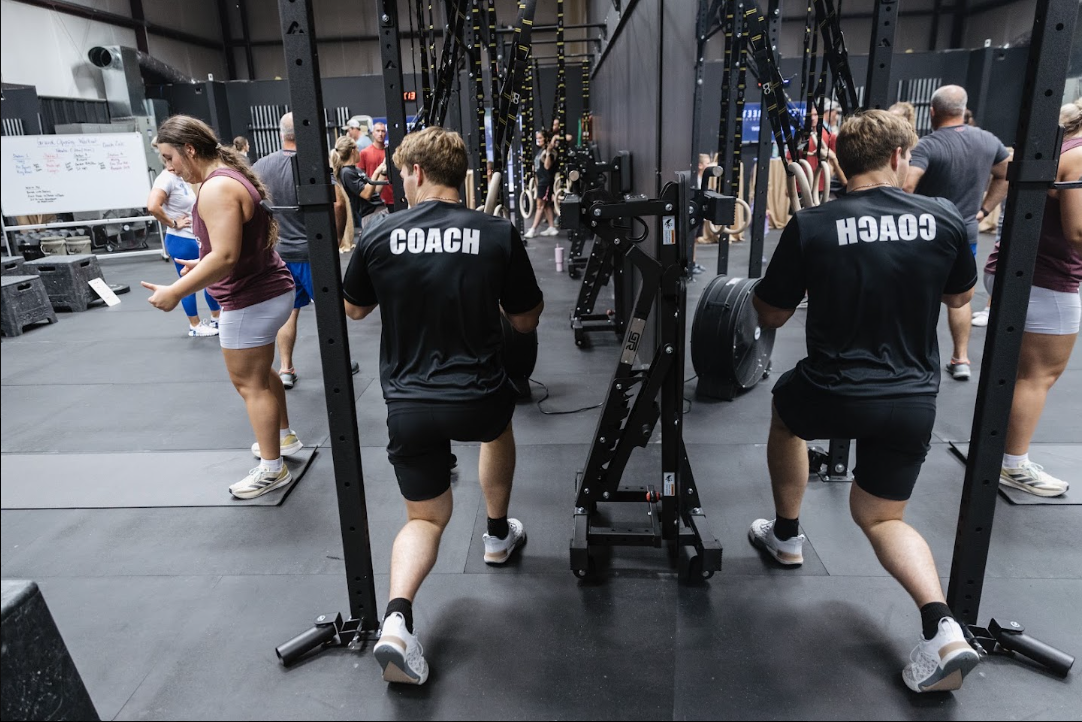
At Well Street Fitness, we teach athletes how to land properly. How to absorb force through the legs and hips. How to stabilize and move. Early in training we work on it in a controlled setting. As she improves, we increase the speed and complexity.
That is when training starts to transfer to the court.
Volleyball is not just vertical.
She shuffles laterally to dig a ball. She sprints to cover the court. She stops and changes direction constantly throughout a match.
Every one of those movements puts stress on her knees and hips.
If she has not been trained to control those forces, something still has to absorb them.
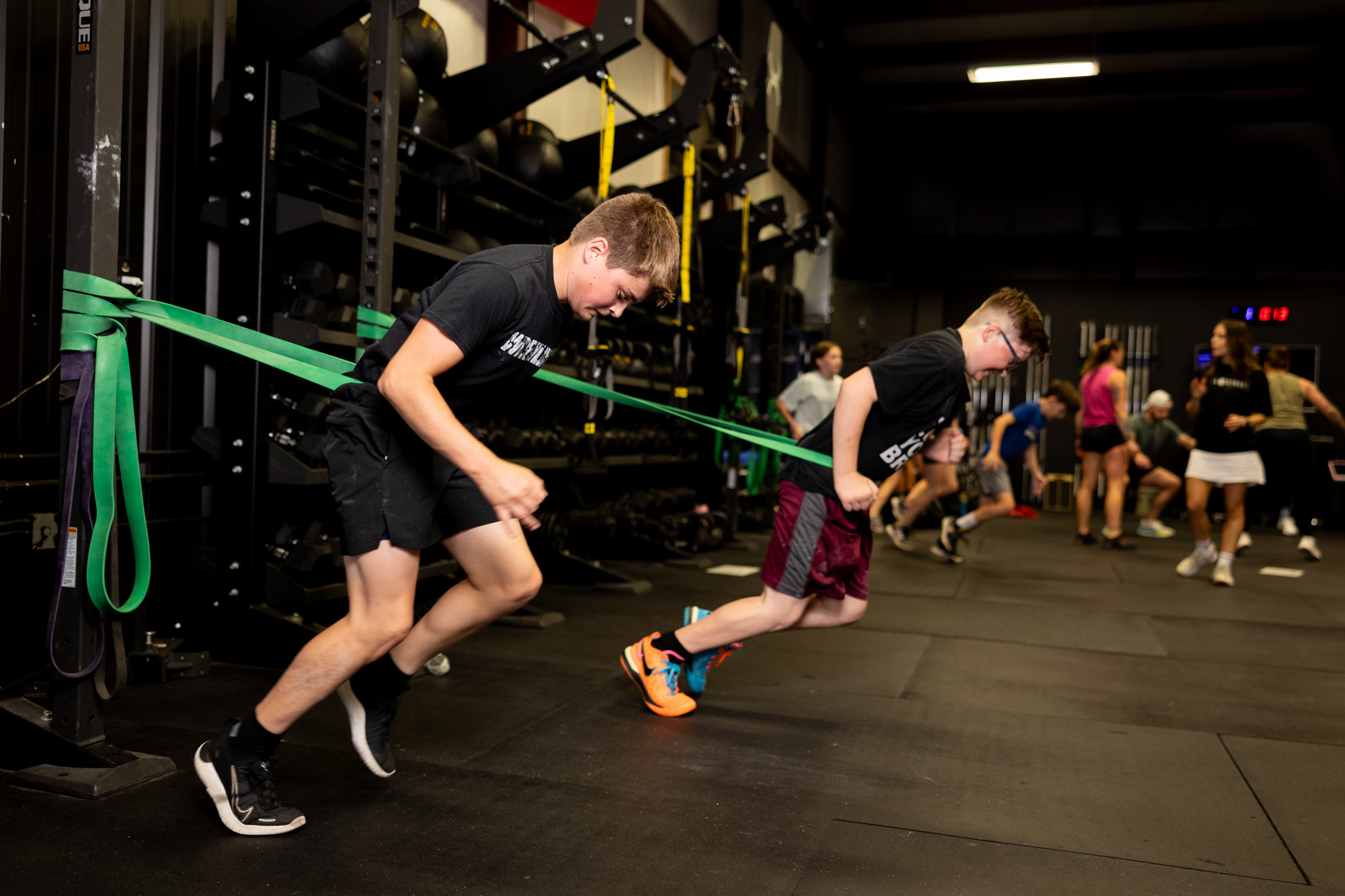
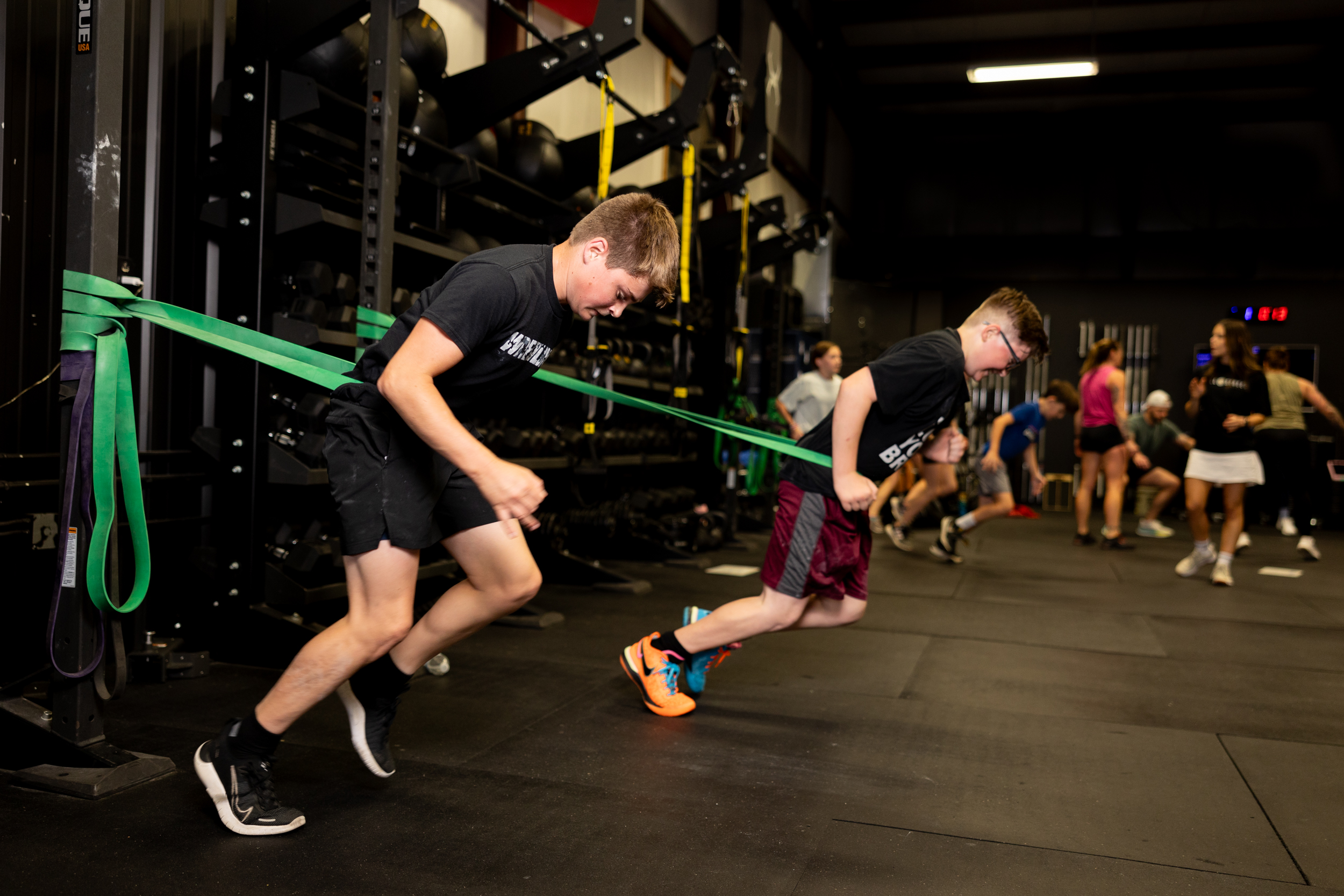
We work on lateral movement, deceleration, and single-leg control so her body can handle the demands the game puts on it.
These are athletic skills. Like serving, setting, and hitting, they have to be taught and built over time.
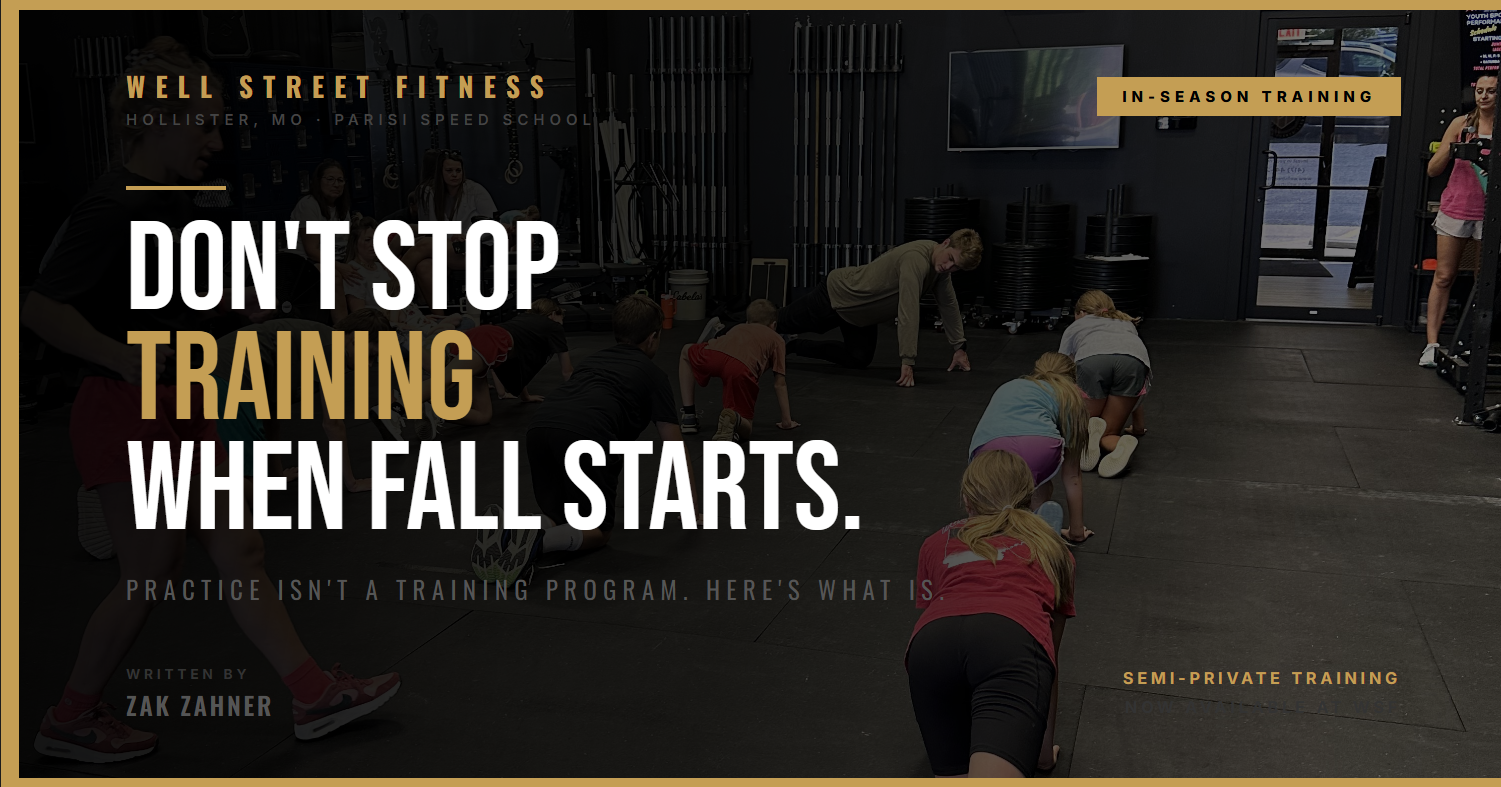
This is a mistake I see happen every fall.
An athlete trains hard over the summer. She gets stronger and more powerful. Then volleyball season starts and training stops.
That does not make sense.
We did not spend months building her up just to stop when she needs it most.
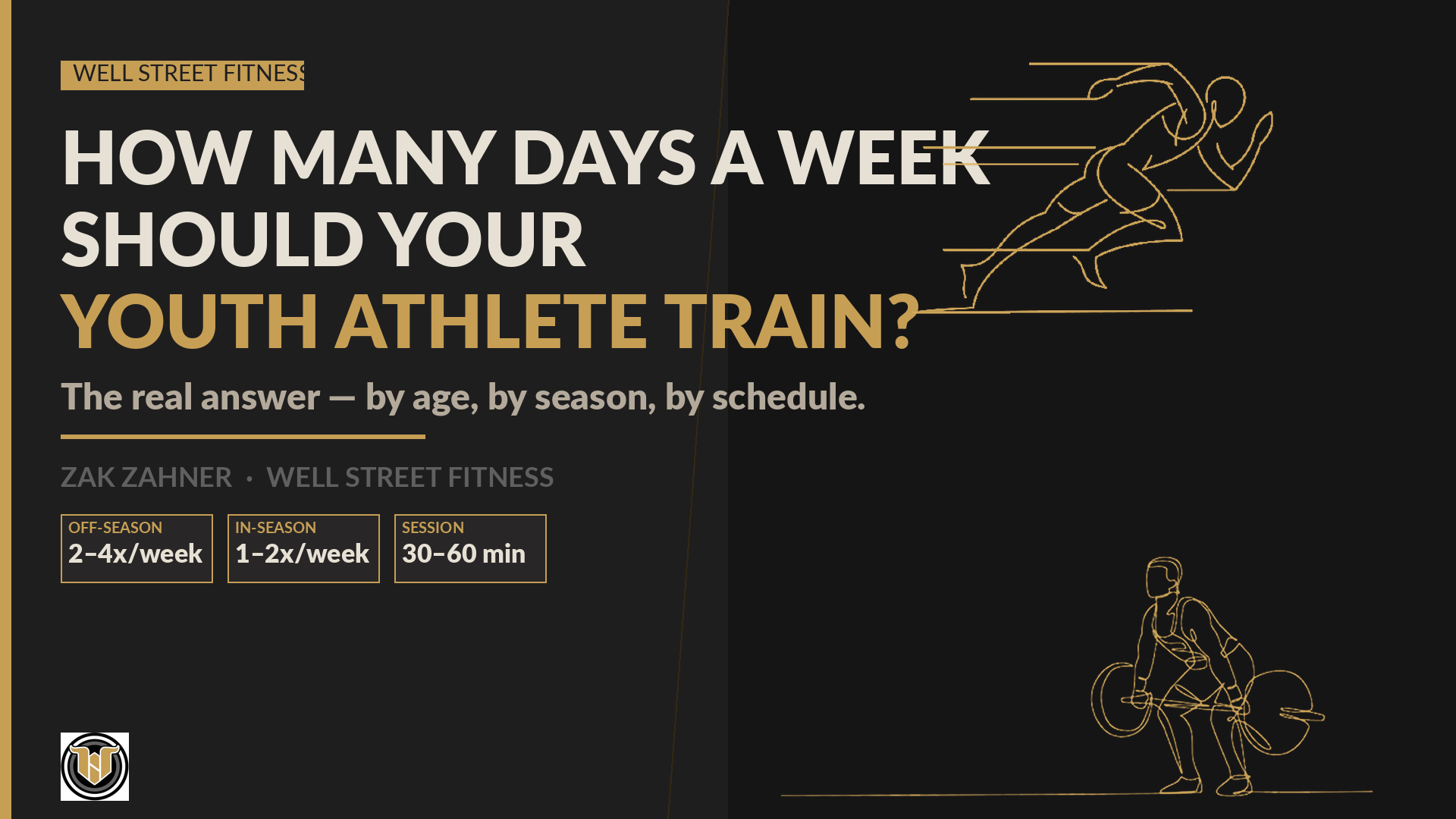
In-season training does need to change. She has practice, games, school, and recovery to manage. Sessions may be shorter. Volume may come down. She may train fewer days.
But different is not the same as zero.
The goal during the season is not to wear her out in the gym.
The goal is to keep the strength and power she built so she can use it when it matters.
Young female volleyball players are not making most of these decisions.
Adults are.
Parents decide what gets prioritized. Coaches decide what gets emphasized. Club schedules get built and everything else fits around them.
If everyone says ACL injuries are a major concern but nobody is making physical preparation a priority, the concern is not matching the action.
Ask better questions.
Is my daughter strength training consistently? Is the program progressive? Is she learning to land and change direction safely? Is someone paying attention to how much she is doing and how much she is recovering?
Those questions matter a lot more than whether someone called the workout an ACL prevention program.
Sometimes the conversation around female athletes goes in the wrong direction.
Do not jump too much. Be careful. Protect her knees.
That is not what she needs to hear.
Female athletes are not fragile.
They need to be prepared.
Teach her to lift. Teach her to jump and land. Teach her to move laterally and stop under control. Help her build strength and confidence in what her body can do.
Then get her ready for the demands she is going to face on the court.
That is what real preparation looks like.
At Well Street Fitness, our goal is not just to reduce injury risk.
Our goal is to build better athletes.
Stronger. More powerful. Higher jumping. Better landing. More coordinated. More confident.
When we develop those things the right way, we are also addressing the physical factors that contribute to ACL risk.
A stronger athlete is a better-prepared athlete.
An athlete with better landing mechanics and single-leg control is better equipped for the positions the game puts her in.
A larger physical toolbox means a better chance of staying on the court.
You cannot guarantee your daughter will never get hurt.
Sports involve risk. Athletes land awkwardly. Fatigue happens. Other players are nearby.
But you are not powerless.
You can help her get stronger. You can make sure she is learning to land and move the right way. You can keep her training through the season. You can put her in an environment with coaches who understand what young athletes actually need.
That is what doing something about ACL risk actually looks like.
If your daughter plays volleyball and you want her to be stronger, more resilient, and better prepared for her sport, we can help.
It starts with a free evaluation. We look at where she is, what she needs, and build from there.
Book a free evaluation at https://www.wellstreetfitness.com/programs/youth-programing
Or call us at (417) 441-2766.













.jpg)
.jpg)



.jpg)
.jpg)





.png)



.png)









.png)


.png)

.png)


