
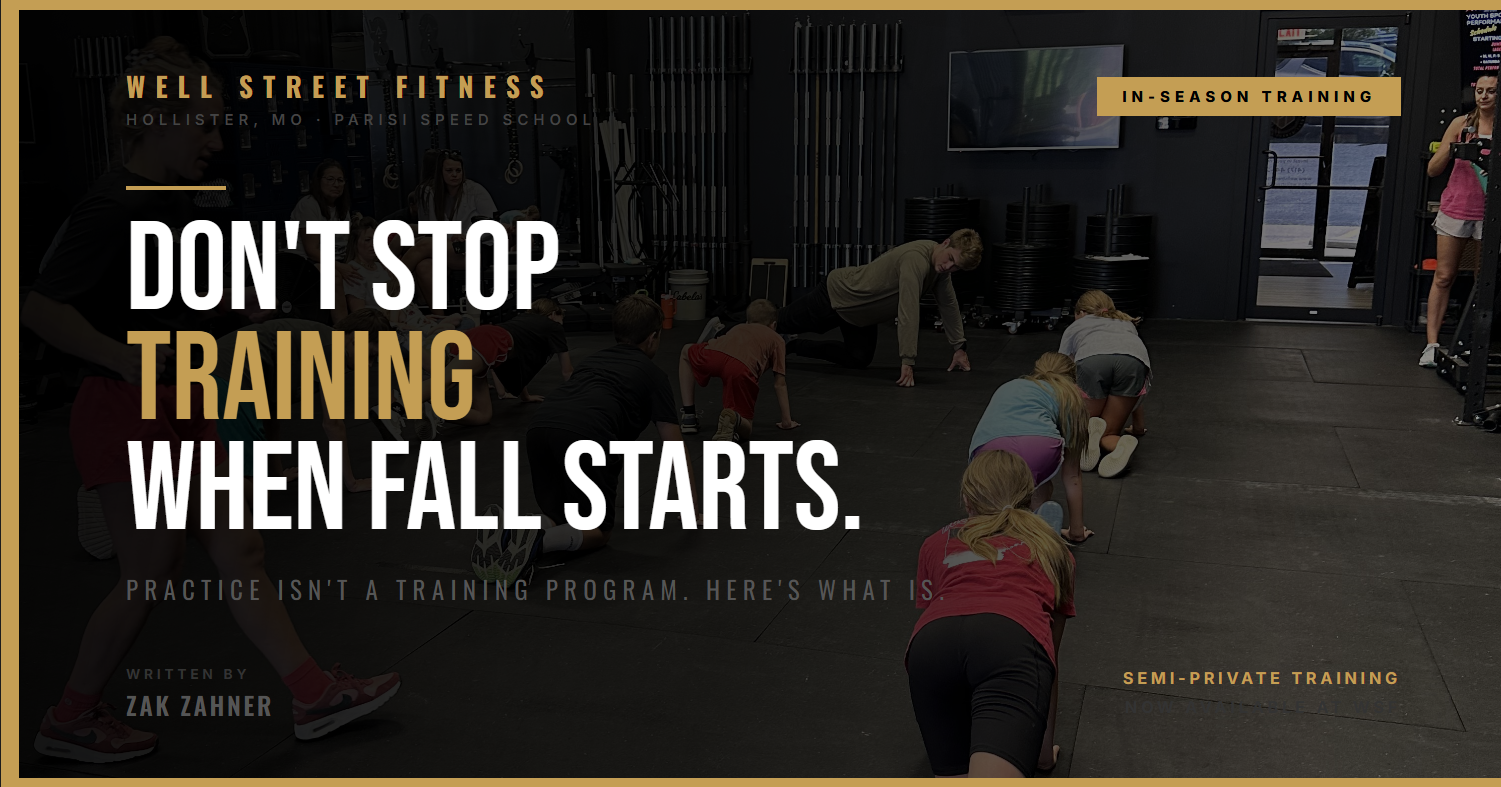
Fall sports are wrapping up.
The last volleyball match is done. Football season is coming to a close. Cross country ran its final race.
For a lot of athletes, that means one thing.
Training stops.
No more practice. No more conditioning. No more structure.
And then spring comes around, and everyone starts from scratch again.
That is the cycle most young athletes are stuck in.
And it is costing them more than they realize.
The human body does not hold fitness forever.
Strength starts to decline within two to three weeks of stopping training.
Speed and power follow.
An athlete who worked hard all fall to get stronger and faster will start losing those gains before the calendar hits November.
By the time spring sports start and summer training rolls around, they are not picking up where they left off.
They are starting over.
That is months of work erased.
And then they spend the first half of the next season just getting back to where they already were.
The athletes who show up to the next season ahead of everyone else are not the ones who worked harder during the season.
They are the ones who did not stop when the season ended.
The off-season is not a break from getting better.
It is the best opportunity to get better.
No games the next day. No practice to recover from. No travel weekends.
It is the one time of year where an athlete can actually focus on building the physical qualities that make them more dominant on the field or court.
Strength. Power. Speed. Agility. Body control.
These are the things that separate good athletes from great ones.
And they are built in the off-season.
This is one of the most misunderstood things in youth sports.
Athletes spend the entire fall season playing.
They run. They compete. They stay active.
But playing volleyball does not build leg strength.
Playing football does not teach an athlete to decelerate safely.
Running cross country does not develop the lateral quickness needed for the next sport.
Sport-specific skills are built on the field or court.
The physical qualities that support those skills are built in the weight room and on the training floor.
Without that foundation, an athlete will hit a ceiling.
They will keep getting better at the game but their body will not be able to keep up.
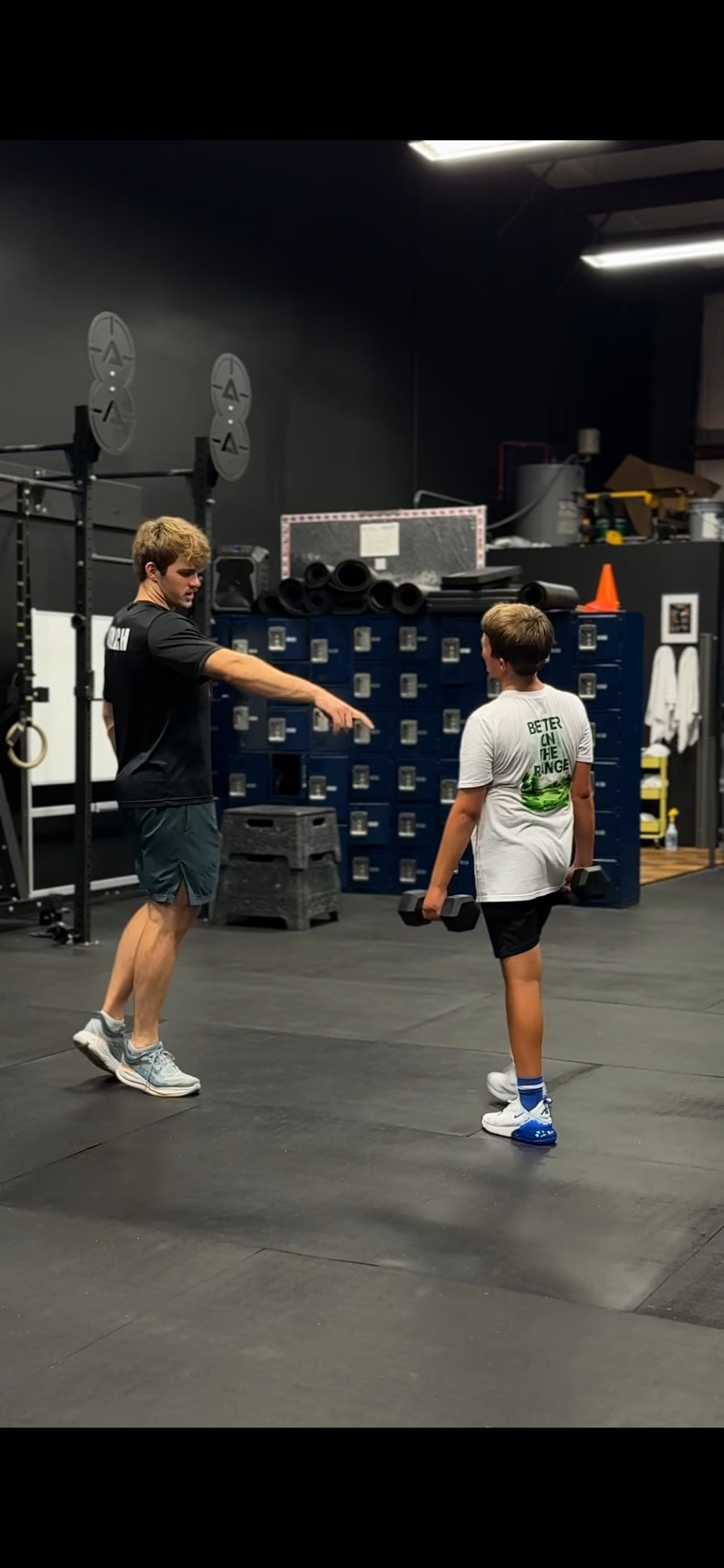
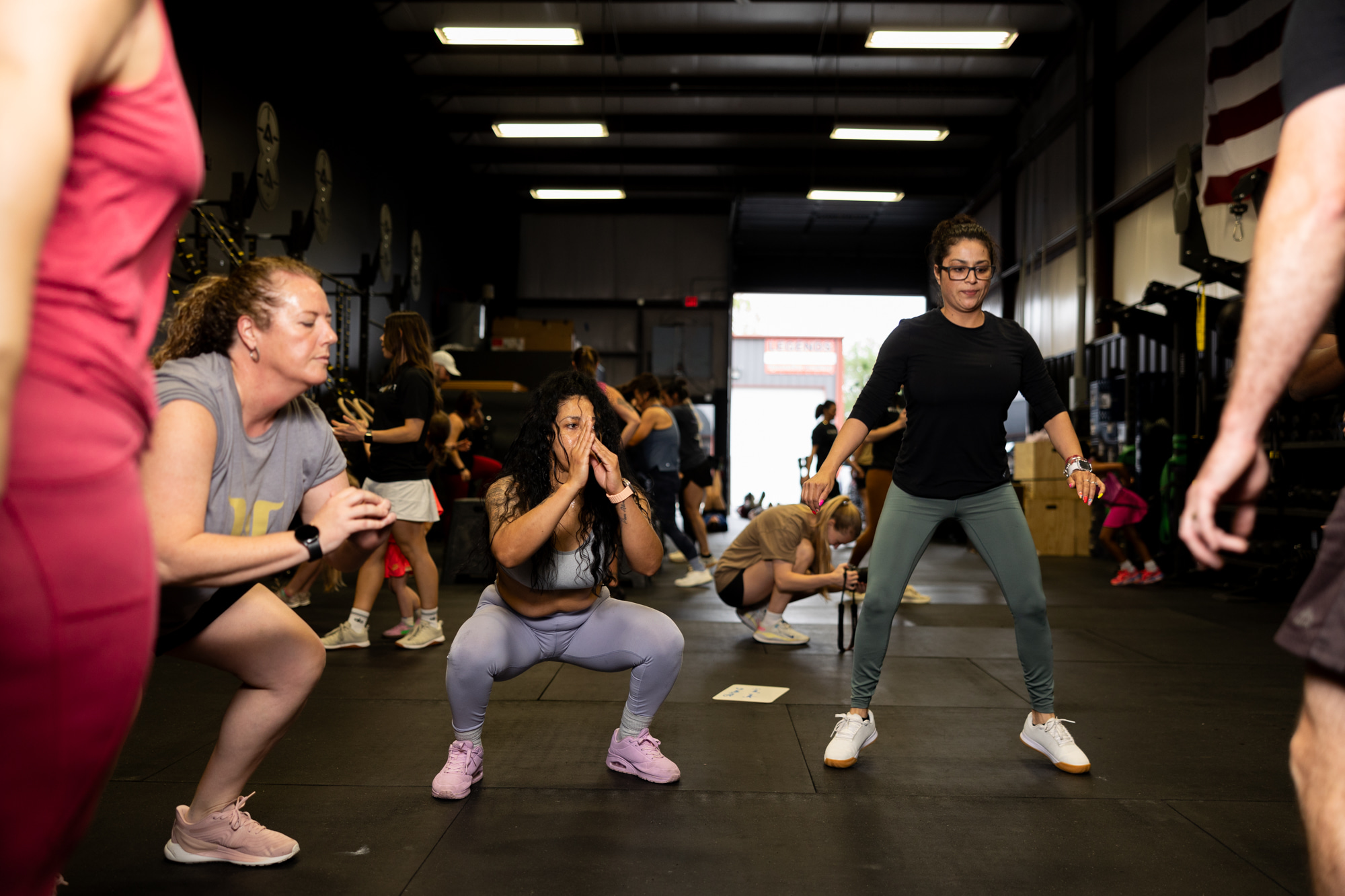
At Well Street Fitness, off-season training is not just making athletes tired.
It is building them.
We focus on strength first. Squats, single-leg work, hamstrings, hips, upper body. Progressive training that actually makes an athlete stronger over time.
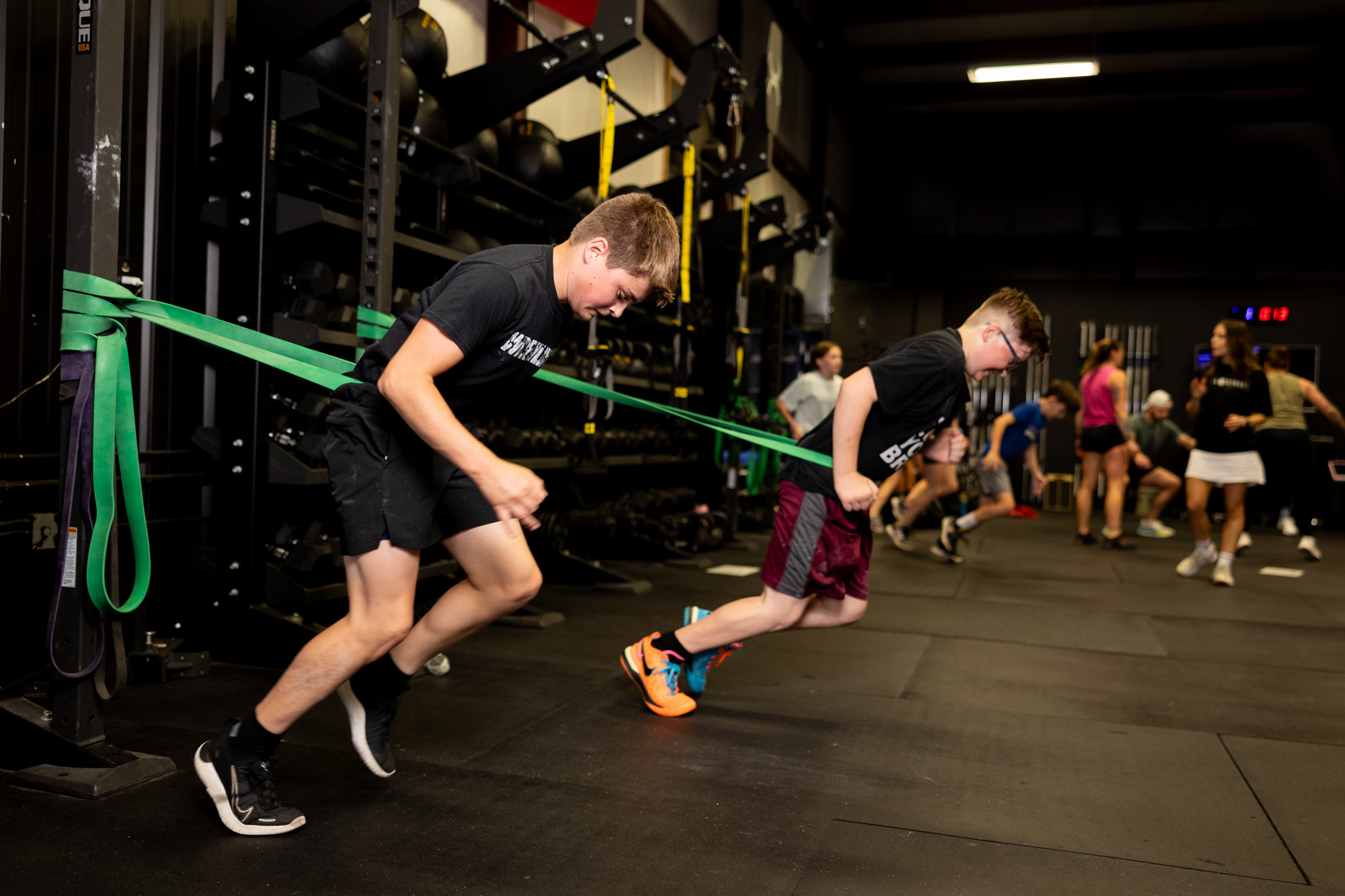
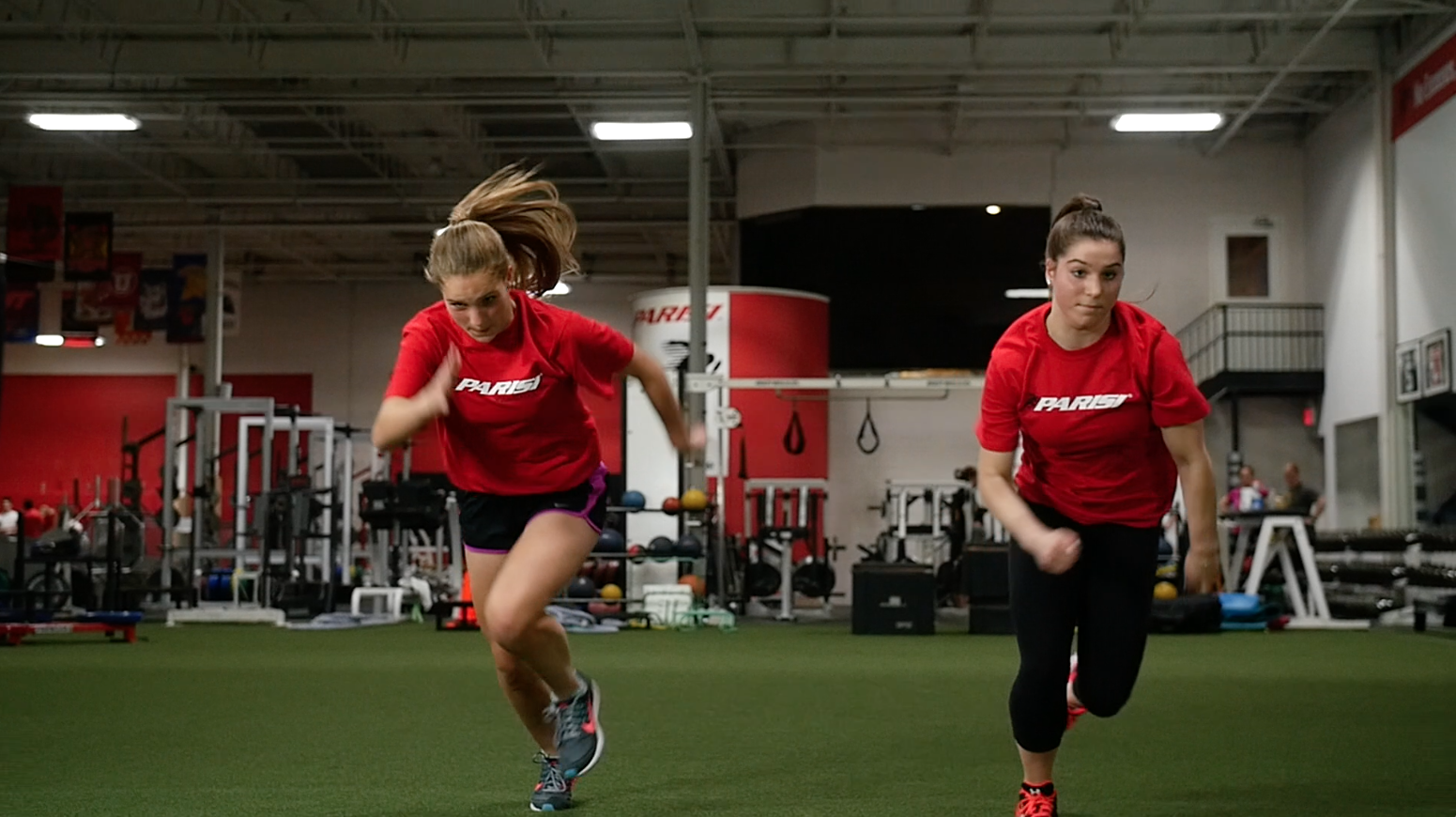
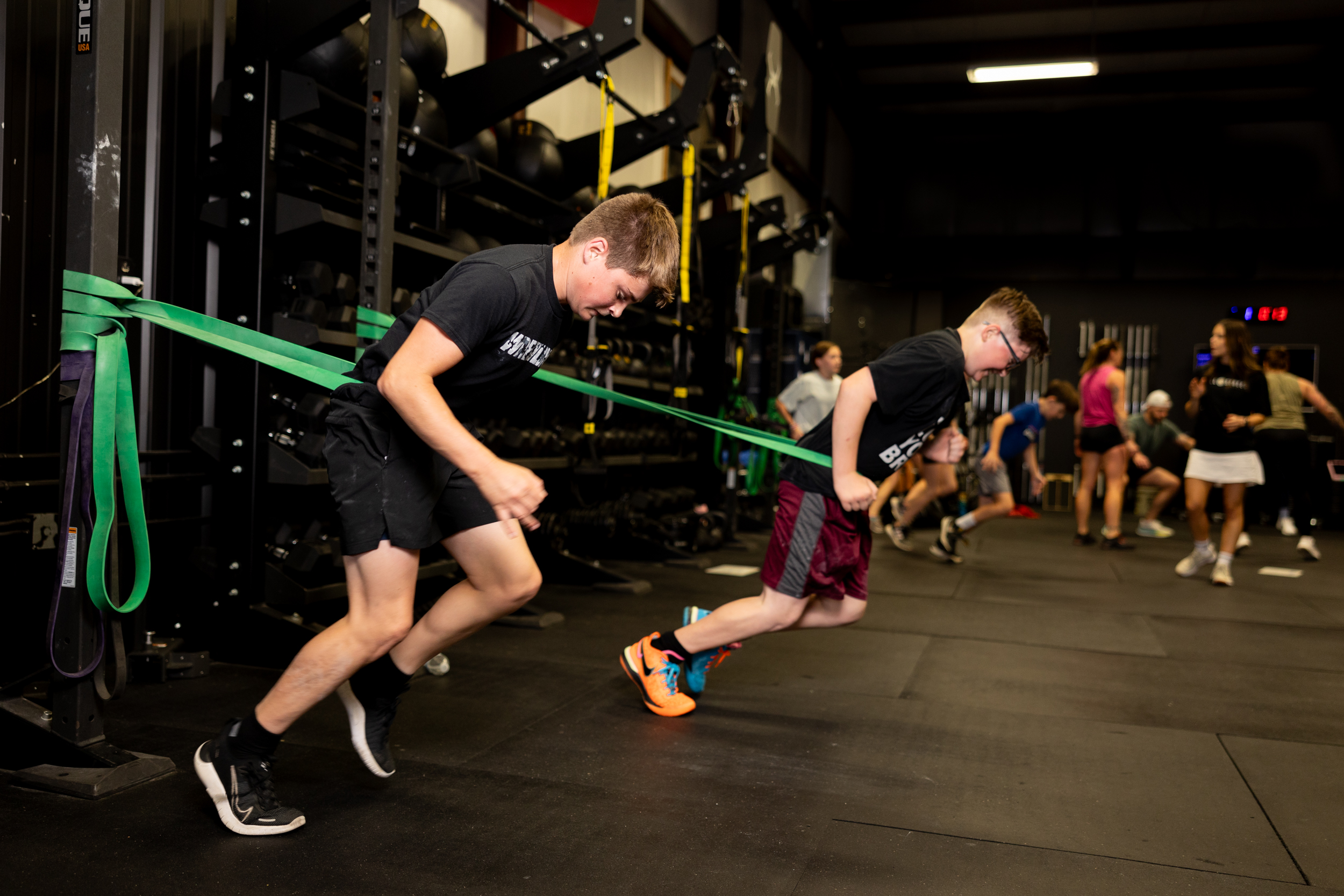
We work on speed and power. First-step quickness, acceleration, and change of direction.
We develop body control. Landing mechanics, deceleration, the ability to absorb and redirect force.
And we do all of it in a way that prepares the athlete for whatever sport comes next.
We are a Parisi Speed School affiliate. The Parisi system has been developing youth athletes since 1985. It is built around one idea: prepare the athlete for the demands of their sport.
That is exactly what the off-season is for.
Your athlete worked hard this fall.
They got in better shape. They competed. They improved.
Do not let November erase all of that.
The transition from one season to the next is the most important training window of the year.
Use it.
If your athlete plays volleyball, football, cross country, or any fall sport, now is the time to build on what they have instead of letting it fade away.
We start every athlete with a free evaluation.
We look at how they move, where they are strong, where they have room to grow, and we build a plan from there.
No guessing. No generic programs. Just a plan built for your athlete.
Book a free evaluation at wellstreetfitness.com/programs/get-started
Or call us at (417) 441-2766.
.jpg)











.jpg)
.jpg)



.jpg)
.jpg)





.png)



.png)








.png)


.png)

.png)


